

Two weeks ago, the Centers for Disease Control and Prevention released their report on formaldehyde levels emitted by certain types of laminate flooring, including but not limited to controversial lines imported from China and sold at Lumber Liquidators. Now the CDC has revised its report, noting that the levels of formaldehyde given off by the flooring could cause higher rates of cancer, breathing problems, and irritation than previously thought. [More]
chinese poison train
CDC Corrects Error, Finds Health Risk Of Laminate Flooring Higher Than Previously Announced
By 2.22.16
Takata Is Not The Biggest Product Recall In U.S. History
By 5.20.15
The recall of Takata airbags used cars made by multiple manufacturers is massive: currently at 34 million vehicles in the United States alone and the list will apparently grow longer. Many news outlets are referring to this as the largest product recall in United States history, but it isn’t. [More]

RC2 Agrees To Pay $1.25 Million Over Lead Toys
By 12.29.09
The Consumer Product Safety Commission (CPSC) has just worked out another penalty settlement with a toy company over those lead-tainted toys that graced shelves from 2005 to 2007. Reuters says RC2 will pay a $1.25 million civil penalty to resolve allegations that it “imported and sold Thomas & Friends Wooden Railway toys with paints and surface coatings that contained lead levels above legal limits.” About two years ago, RC2 settled a class-action lawsuit over the same toys. [More]

Insurers Drop Homeowners With Stinky Chinese Drywall
By 10.16.09
If you own a house made with poisonous Chinese drywall, you may soon have one fewer thing to worry about: paying your homeowner’s insurance premiums.

Target Must Pay $600,000 To Settle Lead Paint Charges
By 10.1.09
Looks like the CPSC can afford donuts tomorrow for their office: Target has agreed to pay $600,000 for selling toys with too much lead on them from May 2006 to August 2007, reports Reuters. The fine “resolves allegations” over the issue, so now Target can focus on what it does best, which is act crazy.

By 9.10.09
../..//2009/09/10/great-news-homeowners-drywall/
Great news, homeowners! Drywall manufactured in China from waste byproducts may have a horrible stench and corrode everything in your house, but the Consumer Product Safety Commission has concluded that at least it’s not radioactive. [Consumer Reports Safety]

Mattel, Primary Reason For Toy Safety Law, Gets Exempted From It
By 8.28.09
When the CPSIA—the toy safety law that requires independent lab tests on toys—was passed, a lot of smaller toy manufacturers complained that it was really a dirty trick by the big toy companies to increase overhead for the small ones. Now comes word that the government has secretly exempted Mattel from the law’s testing requirements—even though Mattel was responsible for 6 lead-tainted toy recalls in 2007.
Who's Responsible For The Chinese Poison Train? Us!
By 7.26.09
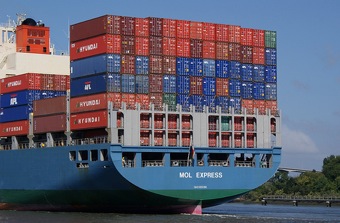
Apparently we were wrong about this whole “Chinese Poison Train” thing. It turns out that it was “filthy U.S. inspectors” who were tainting “pristine Chinese shipments” all along, according to The Onion.

U.S. Balks At Prospect Of Imported Chinese Chickens
By 7.12.09
China is itching to sell their processed chickens directly to the U.S. market, an idea that doesn’t exactly thrill our regulators or representatives. Congress banned the import of processed Chinese chickens in 2007, ruffling Beijing’s feathers to the point where they’re now considering a retaliatory ban on U.S. chickens. Since we’re in a recession and Congress doesn’t want domestic chicken exporters to lose over a half-billion dollars next year, they may let the Chinese chickens come here to roost.
Did Poisonous Chinese Drywall Cause Florida House Fires?
By 7.10.09
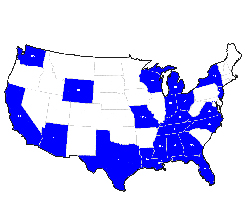
As if it weren’t bad enough that poisonous Chinese drywall is blame for health problems, corroded electrical work, and general stench. Now the drywall may be to blame for two house fires in Florida. Who knew that Chinese industrial waste is a problematic ingredient for building materials?
Radioactive Chinese Drywall Is Stinking Up U.S. Homes
By 7.4.09
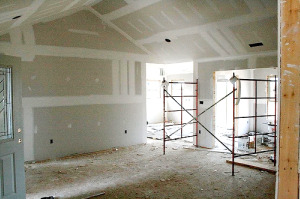
The government thinks radioactive industrial waste from China is responsible for a recent sulfur stench that has plagued hundreds of Florida homes. Demand for Chinese drywall spiked during the housing boom, but federal regulators believe the drywall contained phosphogypsum, a banned waste byproduct that features prominently in Chinese construction. When used in drywall, the probable carcinogen can corrode “air conditioners, mirrors, electrical outlets and even jewelry.”
Counterfeit Drugs Made In China Relabeled "Made In India"
By 6.12.09
The Chinese poison train makes plenty of stops outside of the United States. When those stops are in developing countries, bad things can happen. Even worse things happen when dangerous products from China are intentionally mislabeled as being from another country. Say, India.
KIller Flashlight Requires Goggles And Protective Clothing
By 6.10.09
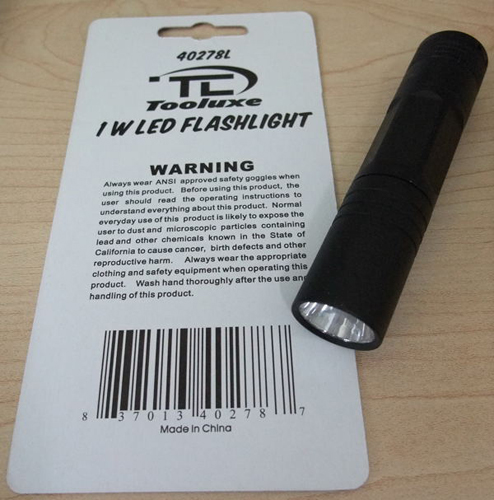
Reading the title of this post, you may think, “well, evidently this is some kind of special industrial flashlight. Or maybe an experimental nuclear flashlight. No one would be stupid enough to put a warning like that on a regular consumer flashlight.” You should know better.

Mattel Will Pay $2.3 Million Penalty For All Those Lead Toys
By 6.6.09
Remember back when lead toys were all the rage? Oh, those dangerous days, when you couldn’t lick a Dora the Explorer doll without fear of memory loss! Well, Mattel and the Consumer Prouct Safety Commission (CPSC) have reached an agreement on how much Mattel should pay for importing toys that exceeded U.S. lead safety guidelines, and the amount is $2.3 million. Maybe now the CPSC can use some of that money to grease the DC wheels and get their new chair nominee confirmed.

The FDA Isn't Yet Sure How To Make Our Food Safer But Lots Of Cash Might Help
By 5.23.09
The FDA is set to receive $3.2 billion next year but they don’t yet have a plan to make our food any safer. That doesn’t sit well with Congressional appropriator Rosa DeLauro (D-CT), who at a recent hearing told Acting FDA Commissioner Joshua Sharfstein: “A lot sounds to me like buzzwords from a past administration.”
Use Free Trade To Promote Food Safety
By 5.20.09
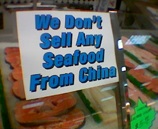
National Journal has an interesting article about the intersection of free trade and globalization with increased food safety abroad and at home. Rather than reject shipments of Chinese fish for being raised in disgusting environments, the US should require trading partners to set and enforce their own strict food safety standards and use globalization as a way to promote better standards worldwide, instead of a race to the bottom.
By 5.20.09 — Updated: 11.1.12
../..//2009/05/20/is-your-leather-couch/
Is Your Leather Couch Making You Sick? The Chinese Poison Train rides again, this time in the form of chemically treated leather couches that are inflicting burns and rashes on people who sit on them. [Consumer Reports Safety]
Obama Announces Plans To Make Food Safe For Human Consumption
By 3.15.09
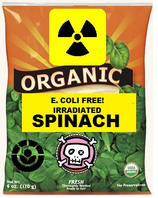
President Obama this week declared war on the Chinese Poison Train, announcing that the FDA will receive $1 billion in new funds for modern testing labs and additional food safety inspectors. Inspecting less than 5% of our food processing plants is apparently a “hazard to public health, and “it is unacceptable.” So what’s really behind the new policy shift? No, it’s not those melamine murders or salmonella outbreaks. It’s seven-year-old first daughter Sasha Obama!

