

When your salad comes with dressing and croutons, should a menu board calorie count include those toppings? Does a restaurant have to calculate and post the calories in a seasonal item like an eggnog latte? Restaurants and vending machine operators only have a few months to figure this out before the Food and Drug Administration’s calorie-count requirement becomes mandatory. [More]
your government at work
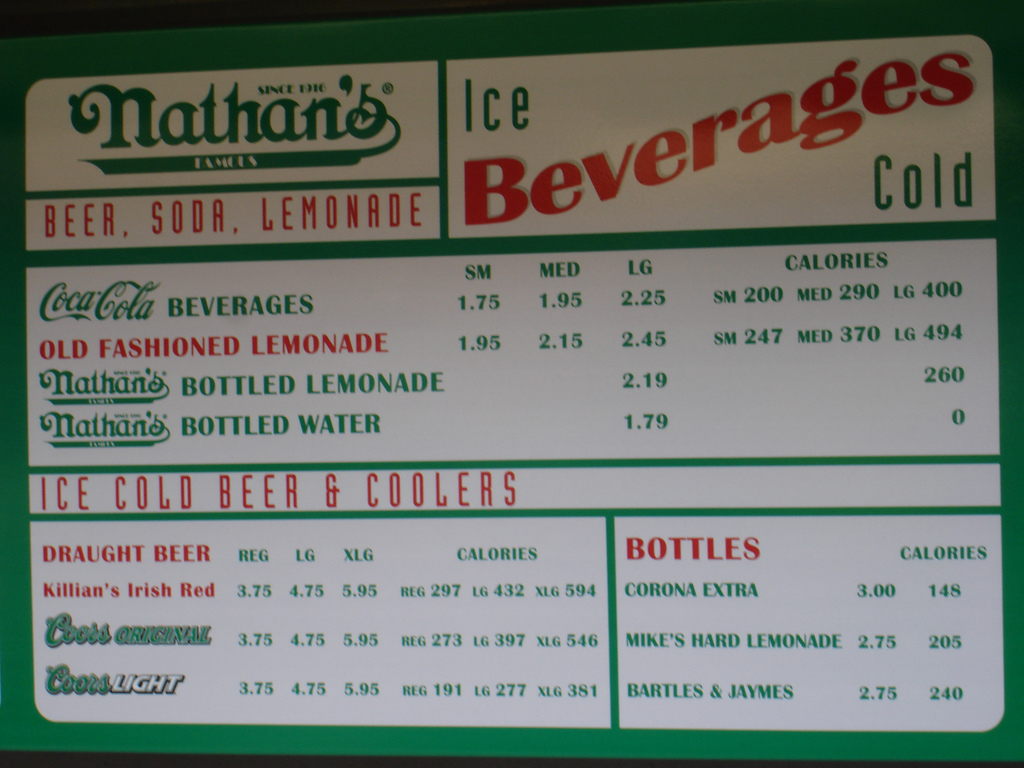
Restaurants Sorting Out Weird Calorie Issues Before Menu Rules Go Into Effect
By 1.9.17 — Updated: 5.3.17
6 Things We Learned About The IRS’s Fight Against Fraud And Identity Theft
By 4.19.16
Things are difficult for the IRS right now. For the last few years, people contacting the IRS have encountered lengthy phone hold times, and identity theft and refund fraud drain billions of dollars’ worth of tax refunds into the pockets of international criminals. The Government Accountability Office has the job of overseeing government agencies, including the IRS, and it released a new report today about its issues and possible ways to fix them. [More]
IRS Tool To Protect Identity Theft Victims Vulnerable To Identity Thieves
By 3.1.16
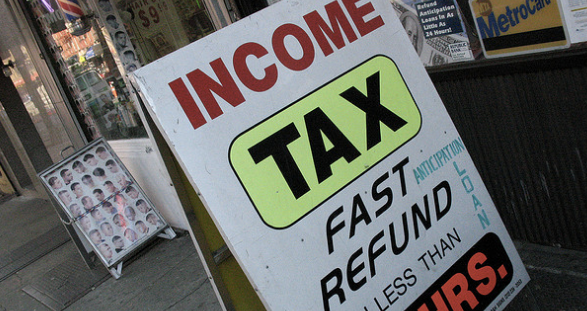
Every year, we warn you about tax return identity theft: bad guys all over the world obtain enough personal information about U.S. taxpayers to file fake tax returns and steal our refunds. After a taxpayer’s identity gets stolen in this way, the Internal Revenue Service issues them a special identification number that they have to enter when filing their tax return. The problem is that these numbers are pretty easy to access, too, and the IRS doesn’t have a good replacement yet. [More]
The IRS Is Still Using Windows XP, Has A Cybersecurity Staff Of 363 People
By 5.29.15
In the last few years, tax return fraud has become a serious problem at the state and federal levels, thanks to the growth of e-filing and security holes in IRS and third-party tax software systems. Is the IRS to blame for this trend? There are really only two options: the IRS is either broke or incompetent. [More]

New York City Promises To Crack Down On Nail Salon Labor Abuses
By 5.15.15
After the first-ever state Department of Labor crackdown and the New York Times published an investigative report on work conditions in the nail salon industry based on interviews with hundreds of workers, now politicians are taking action to help these vulnerable workers. Today, New York City mayor Bill de Blasio pledged that the city government will crack down on poor work conditions and pay in the city’s nail salons. [More]
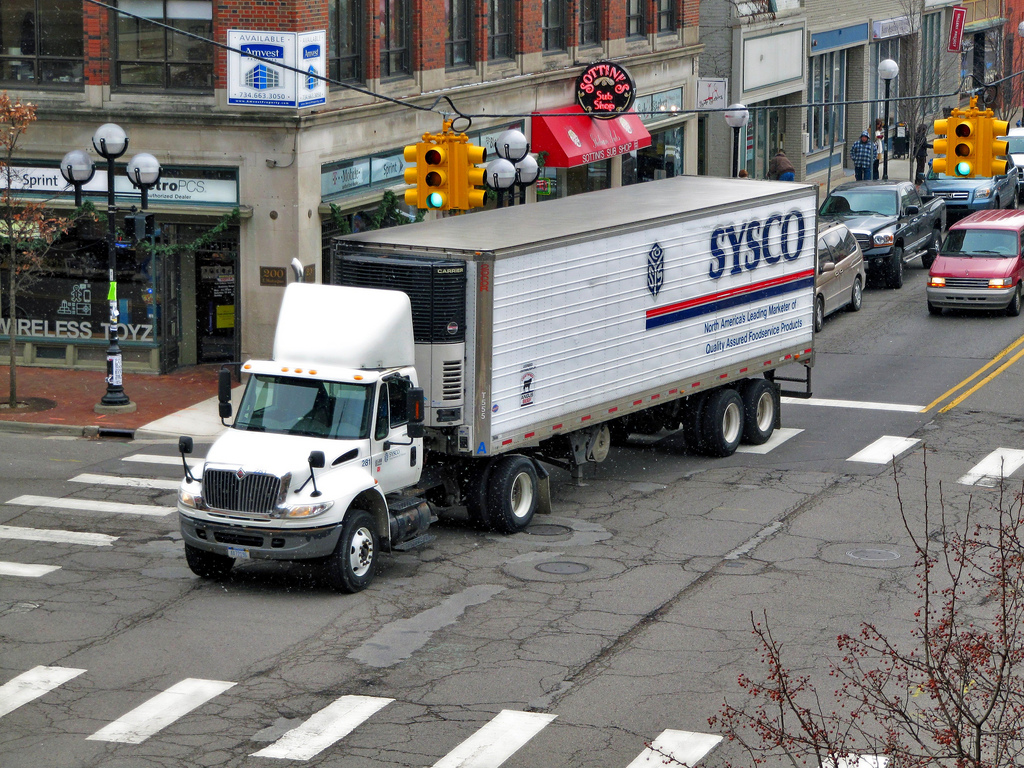
Sysco And FTC Fight Over Proposed Merger, Food Service Voltron
By 5.5.15
The Federal Trade Commission and commercial food supplier Sysco are meeting in court today over Sysco’s right to acquire its next biggest national competitor, US Foods. Does America need a food service Voltron? Sysco is defending its proposed acquisition, but the FTC stands against it. Arguments in federal court started today, and could last for more than a week. [More]

City Seizes Decaying Bank-Owned House, Gets It Fixed Up
By 12.15.14
The city of Haverhill, Massachusetts has had it with abandoned, vacant buildings, especially those that are now bank-owned due to foreclosure. One three-unit apartment building had vagrants occupying the space, using the floors as a bathroom and turning the building into a biohazard. Having such a “disgusting” building on a main road made no one in the city happy, and the city found a private company to act as a receiver and renovate the building. [More]

T-Mobile Agrees To Show Throttled Users Their Actual Speeds
By 11.24.14
For the last few months, the Federal Communication Commission has been investigating the data-throttling practices of the country’s major mobile carriers. While AT&T doesn’t see the problem, T-Mobile has come to an agreement with the federal regulator, promising to tell customers when they’ve been throttled, and to lead them to an accurate speed test where they can find out what their current speed is. [More]

City Calls Cabinet Full Of Books To Borrow A “Structure,” Makes Family Remove It
By 6.20.14
A “Little Free Library” is a small container, often a cabinet, filled with books that passers-by can take, read, and return as they please. They can also donate their own books. There are thousands of these mini-libraries all over the world, but the city of Leawood, Kansas won’t stand for it, and has asked the family to take theirs down. [More]
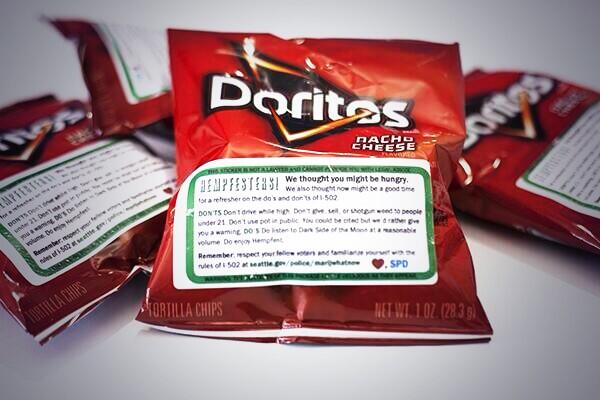
Seattle Police Ran Out Of Hempfest Giveaway Doritos In 10 Minutes
By 8.19.13
Maybe it was all of the publicity. Figuring that people ignore flyers and throw them away, but that visitors to Hempfest might pay attention to containers of snack foods, the Seattle Police Department had the idea to distribute mini bags of Doritos with a stickers outlining the basics of current marijuana laws in Washington state. It was a great PR move, and successful: they ran out in ten minutes. [Twitter] [More]
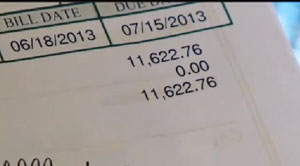
City Claims 80-Year-Old Couple Used 440,000 Gallons Of Water In A Month
By 6.27.13
An 80-year-old California man concedes that it’s entirely possible that he has used 440,000 gallons of water in one month, and that he and his wife really do owe the city $11,000. It’s possible if the city has been pumping dehydrated water into his house. [More]

Stinky Drywall Legislation Passes Congress––After Construction Industry Watered It Down
By 1.9.13
The Drywall Safety Act of 2012 passed Congress on New Year’s Day 2013 and is currently waiting for President Obama’s signature. The purpose of the bill is to keep stinky and hazardous drywall out of American homes. Simple enough. Thanks to the miracle of democracy, the bill has been watered down and gives less power to the Consumer Product Safety Commission and more to the building industry to draw up its own voluntary standards. [More]

Police Bust Tweens For Operating Unlicensed Lemonade Stand
By 7.18.11
It’s the middle of summer, and we all know what that means: adorable kids learning the basics of capitalism by running lemonade stands. Among those basics: you need to lay down a few hundred bucks at City Hall before you even think about buying lemons and paper cups. Three Georgia girls thought they would earn money for a trip to the water park by selling lemonade in their neighborhood. They were successful…until the police chief happened to drive by, and shut them down for selling lemonade without business and food vendors’ licenses totaling $180. [More]
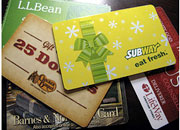
New Jersey Wants To Balance Budget With Your Gift Cards
By 1.5.11
What would be even worse than losing the entire stored value of your gift cards after a few years? Having the state seize it as unclaimed property and use your money to pay its bills. [More]

You Can Get Unemployment Payments On A Debit Card That No One Accepts
By 9.2.10
Many states no longer issue unemployment checks. You can receive your payments through direct deposit, or using a Visa or Mastercard-branded debit card. That’s the state of affairs in Pennsylvania, where reader Sam lives. He tells Consumerist that this method would be less of a racket for banks and more useful for people on unemployment if there were any places other than fee-happy ATMs that actually accepted the darn things. [More]

Congressional Audit Shows That EnergyStar Label May Be Meaningless
By 3.26.10
Does an EnergyStar label change your perception of a product? Maybe it shouldn’t. Last year, an audit showed that Energy Star gave its rating to products that misrepresented their energy usage. This time, auditors posed as companies and submitted completely absurd appliances for EnergyStar ratings, like a gasoline-powered alarm clock the size of a portable generator, and a space heater with a feather duster on top claiming to be an “air purifier.” Is the study meaningless because no actual products were sold, or a warning that the program is sloppy and susceptible to fraud? [More]

