

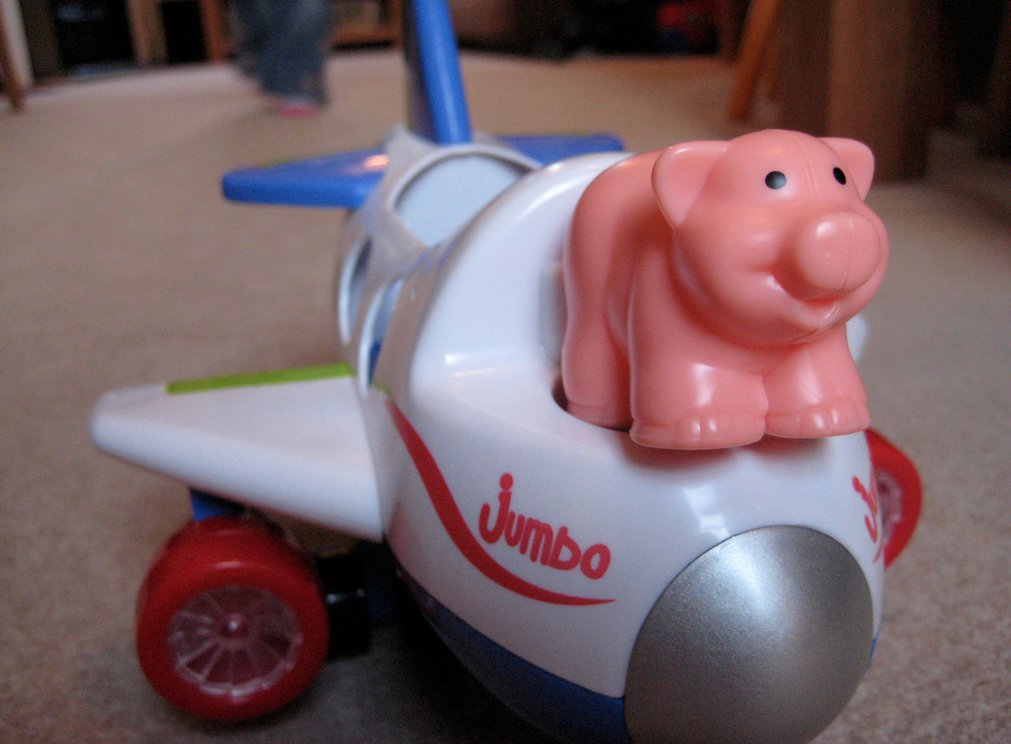
Soon, instead of leaving your bacon in the frying pan — on the verge of burning — in order to get that crispy, crunchy meat, you could just buy crispier bacon from the get-go. Scientists say they have developed genetically modified pigs meant to reduce costs for farmers, while providing consumers with leaner meat. [More]
science

Can Retailers Use Stealth Calorie Cuts To Get Shoppers To Eat Healthier?
By 8.23.17
While there is a large segment of the population always looking for healthier, lower-calorie food options, there are some shoppers who like the things they buy just the way they are — and who react negatively when their favorite foods are tweaked. Is there a way to get these folks consuming fewer calories? [More]

Here’s Why Scientists Are Launching Bacteria-Laden Balloons During The Solar Eclipse
By 8.21.17
While people stand at the ready around the country today with special glasses and pinhole projectors to view the solar eclipse, a group of NASA scientists will be at work launching balloons in an effort to learn a bit more about life on another planet. [More]

Science Says Whiskey Tastes Better With A Little Water — Here’s Why
By and 8.17.17
For many whiskey connoisseurs, enjoying their favorite brown alcohol any other way than neat is bordering on sacrilegious. But according to science, a bit of water makes the libation taste even better. [More]

FDA Warns Fertility Doc: Stop Advertising Service That Creates ‘3-Parent’ Baby
By 8.7.17
Last year, you may have heard of an impressive medical accomplishment, where the gametes of three people were combined to make one healthy baby. The doctor behind that procedure has now been warned by the Food and Drug Administration for advertising the still-unapproved procedure. [More]

Study: Happy People Buy Time Instead Of Stuff
By 7.26.17
They say money can’t buy you love — but can it buy happiness? That’s up for debate, but a new study says that using your funds to purchase time — something we all wish we had more of — can lead to increased happiness. [More]

Goop Suggests Its Critics Are Seeking Attention, Might Just Be Jealous
By 7.14.17
Gwyneth Paltrow’s “modern lifestyle brand” Goop offers customers a range of tips, tricks, and products to make their lives better and healthier, but these products and recommendations are often met with criticism from doctors, scientists, and even NASA astronauts, one of which recently called BS on the site’s claim that “healing stickers” contained the same material as space suits. But all of that criticism appears to be getting to the company, as it recently singled out a doctor who calls out the site on her blog. [More]
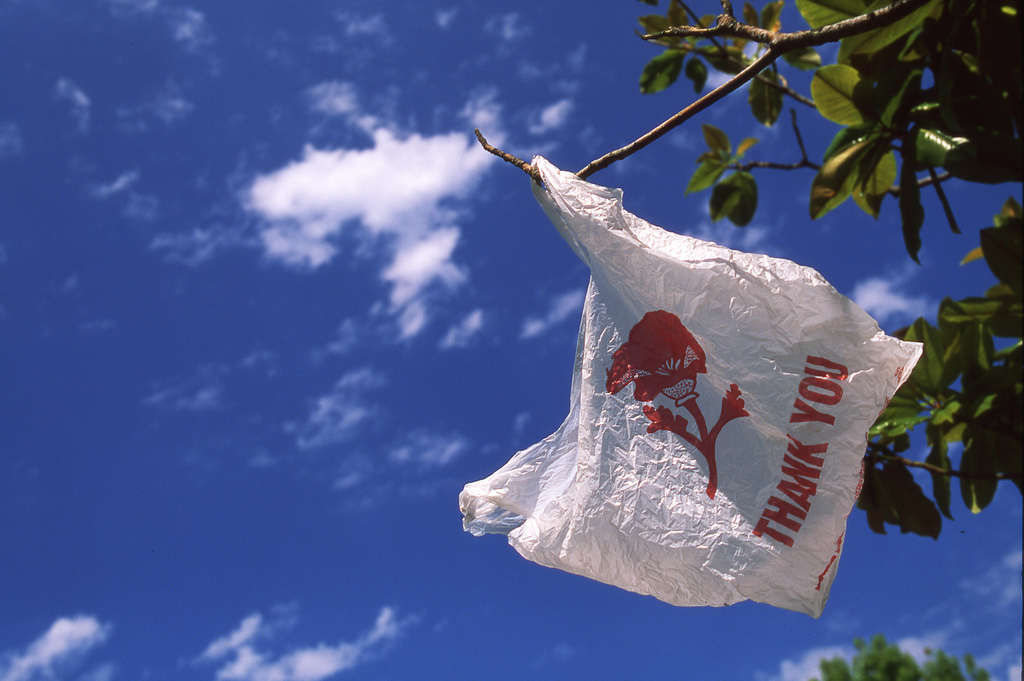
Worms That Eat Through Plastic Bags Could Help Cut Down On Pollution
By 4.24.17
Plastic bags clog up our gutters, landfills, and waterways, but researchers hope that plastic-munching worms may hold a secret to making these messes more manageable. [More]

You Can Hack A Phone Just By Using Sound Waves, Researchers Find
By 3.14.17
It sounds like wild science-fiction stuff: Play the right sequence of music through a speaker, and you can take over any device that “hears” it. And yet, a bunch of scientists have just announced that under the right circumstances, you can do exactly that thing. [More]
A Supplement Company Sued Over Research It Didn’t Like… And Lost
By 2.8.17
Unlike FDA-approved medications, makers of dietary supplements are not required to demonstrate that their products are safe or effective. That shouldn’t stop independent researchers from doing their own tests to find out if a product works or is dangerous, but when one Harvard professor tried to do just that, supplement makers tried to shut him up.. [More]

Study: Baseball Teams More Likely To Have A Bad Game Due To Jet Lag When Flying East
By 1.23.17
Playing at least 81 games on the road, sometimes thousands of miles from home and in a different time zone, will eventually have an effect on even the most fit professional baseball player, but is there a correlation between distance (and direction) traveled and performance? [More]
You Don’t Care About Your Friends’ Data, And 4 Other Things We Learned From Privacy Experts
By 1.17.17
The things we buy and use every day are increasingly connected — to the internet, and to each other — and while this new level of interconnection provides a slew of benefits, it also raises a new set of privacy problems and security challenges. Yet, as we recently learned, consumers are often self-centered when it comes to protecting their data and don’t give much thought to making their friends’ info available. [More]
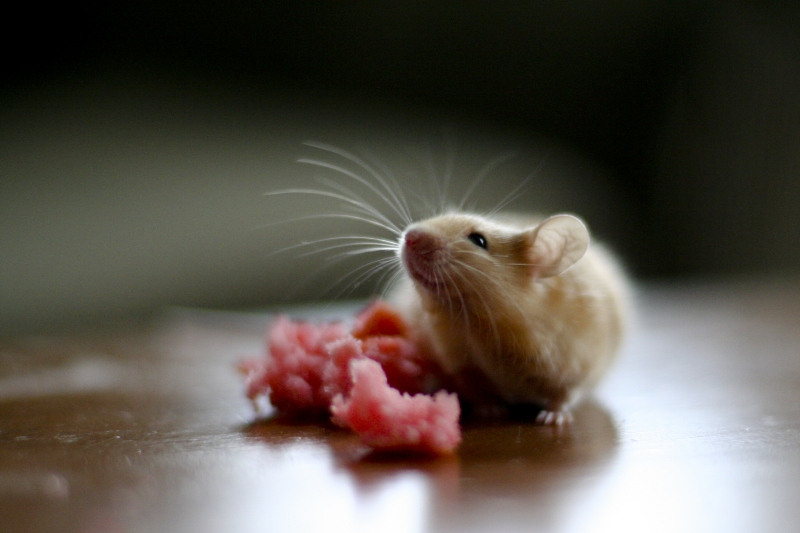
Science Says You Aren’t Alone: Drinking Booze Gives Mice The Munchies
By 1.11.17
Have you ever found yourself informing anyone who would listen after a long night out at the bar, “I could totally take down an entire pizza right now,” and meaning it with your entire heart? You aren’t alone: science says even mice get the munchies when they’re drunk. [More]
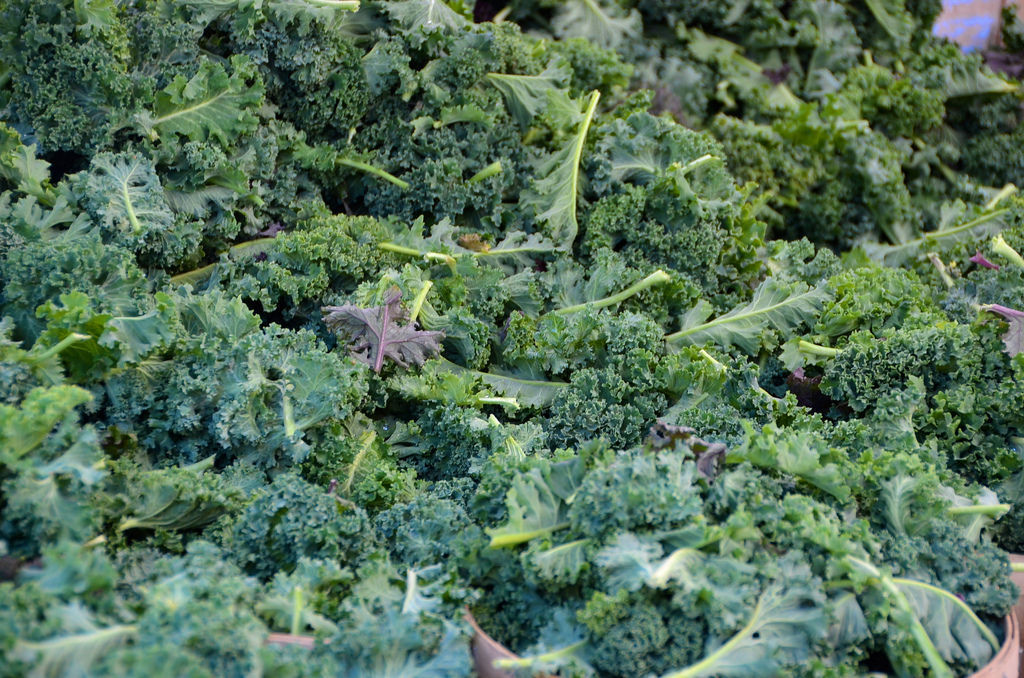
Food Scientists Trying To Develop Kale Aimed At Picky American Palates
By 11.28.16
We all know that kale is trendy, but if it were up to some American consumers, it wouldn’t be, well, quite so kale-y. [More]

Study: Students “Easily Duped” By Fake News, Sponsored Content
By 11.22.16
You might assume that a child raised on online content may be better positioned to tell when news and information is coming from legitimate sources and when that source is a fake or an ad. However, the results of a new study appear to indicate that this always-connected generation is no better equipped to sort fact from fiction online. [More]

Science Says: Cheese Makes Wine Taste Better
By 10.21.16 — Updated: 11.1.16
Your Friday night plans have just been validated by science: a new study finds that eating cheese with wine makes wine taste better. [More]
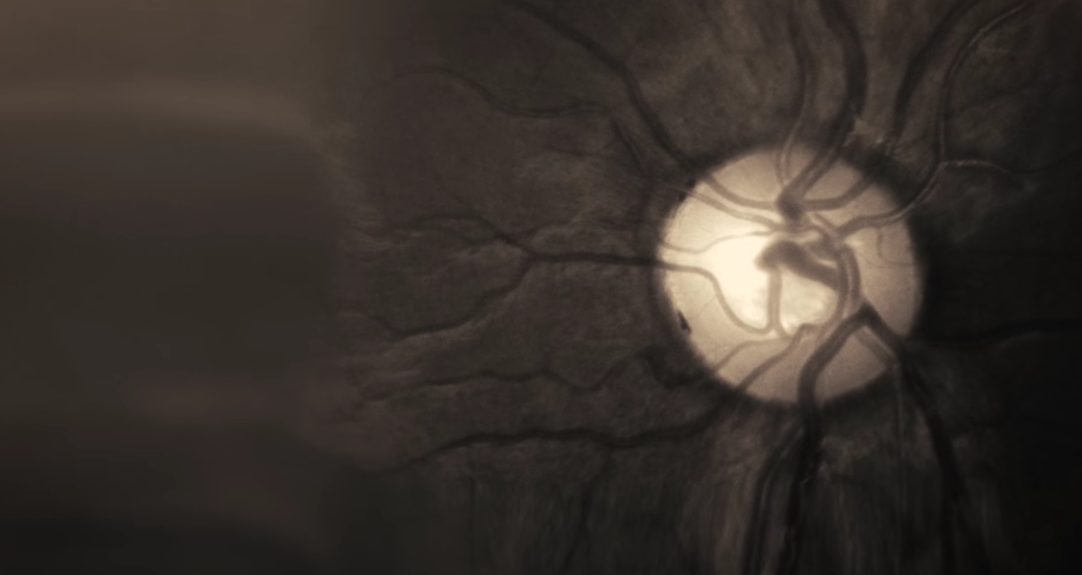
Researchers Detect Early Stages Of Alzheimer’s Disease In Mice With An Eye Exam
By 7.12.16
Could it be possible to detect Alzheimer’s disease in the early stages with just an eye exam? That’s the possibility researchers are floating after they were able to spot signs of Alzheimer’s in the retinas of mice using a special, non-invasive camera. [More]
Facebook Now Has An Internal Panel Reviewing Research On You To See If It’s Ethical
By 6.15.16
Odds are very, very good that you’ve been part of a scientific research experiment in the past few years. Probably more than 70% likely if you’re on the internet at all, and approaching 100% if you’re under 30. Why? Because those are the percentages of Americans who use Facebook… which is constantly conducting some of the largest-scale behavioral research ever done. [More]

