


Insulin is an essential hormone, and millions of Americans get the insulin that they need to stay alive and healthy from a vial. With insulin prices on the rise, a group of diabetes patients has filed a federal lawsuit against three drug companies, accusing them of carrying out a fraudulent pricing scheme. [More]
rico
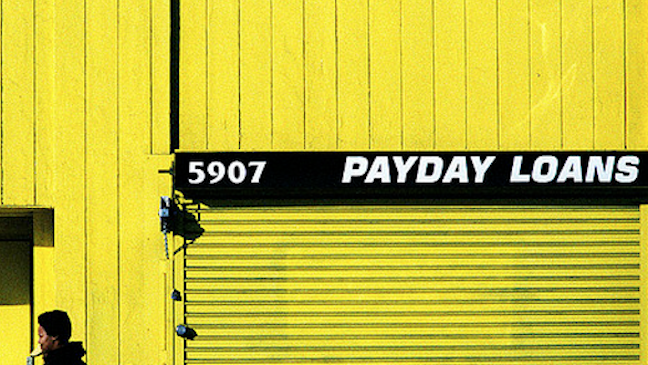
Pennsylvania Man Charged With Racketeering For $688M Payday Loan Operation
By 4.7.16
A Pennsylvania man, known for helping to usher in the payday loan movement, has been charged with racketeering for his alleged part in a scheme that bilked more than $688 million from consumers and defrauded 1,400 others from a million-dollar settlement. [More]
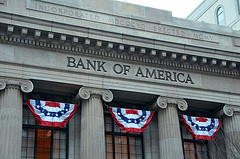
Homeowners Accuse Bank Of America Of Racketeering In Lawsuit Over Mortgage Modifications
By 7.12.13
Following the recent revelations from former Bank of America employees that the nation’s most-hated financial institution allegedly engaged in deliberate schemes to delay and deny mortgage modifications, a group of three homeowners have sued BofA, alleging violations of federal anti-racketeering laws. [More]
Woman Files $5 Million Class Action Over Broken iPhone Power Button
By 5.16.13
The power button on a woman’s iPhone 4 failed, and she’s not able to turn the phone on or off. That pretty much renders it useless, so she ditched AT&T and got a new phone. But she never forgot that shiny, shiny iPhone that broke down shortly after its initial one-year warranty was up. She filed a class action on behalf of herself and other powerless iPhone users. What raised eyebrows is that she sued under the federal Racketeer Influenced and Corrupt Organizations (RICO) Act, accusing Apple and AT&T of conspiring together to sell expensive two-year contracts on phones that break after one year. [More]


Supreme Court Rejects Appeal In Best Buy, Microsoft Racketeering Lawsuit
By 10.15.07
The Supreme Court has rejected Microsoft and Best Buy’s appeal in the MSN racketeering lawsuit, says the Wall Street Journal, thus “ending a bid by the two companies to stop a class-action lawsuit over a joint marketing campaign for MSN Internet Access service.”

Best Buy Employee Confesses To Scams Similar To Ones Outlined In Racketeering Lawsuit
By 5.9.07
We thought the scam mentioned in the racketeering lawsuit sounded familiar—it was. A Best Buy employee emailed us on April 4, 2007 to confess to the type of behavior mentioned in the lawsuit.

Best Buy, Microsoft Accused Of Racketeering
By 5.9.07
When you think RICO you think Al Capone, or maybe Tony Soprano if you watch too much HBO. You don’t really think of Best Buy and Microsoft, do you? James Odom does. He’s the original plaintiff in a now 4 year old class action lawsuit that just won’t go away for Best Buy and Microsoft, one that now includes racketeering charges.

