

Two days after voters in four different cities approved local taxes on sugary beverages, the county board for Cook County, IL – home to Chicago — has narrowly okayed a $.01/ounce tax, making this the largest single market to try to curb obesity while fattening the municipal coffers. [More]
obesity
World Health Organization Supports Taxes On Sugar Drinks To Curb Obesity
By 10.11.16 — Updated: 10.13.16
Berkeley, CA, is currently the only major U.S. city charging a tax on sugary drinks. The Philadelphia tax is coming soon — if it survives a beverage industry legal challenge. In spite of the slow adoption of, and opposition to, these so-called “soda taxes,” the World Health Organization is recommending that more places could fight obesity and other ailments by making sugary drinks more expensive. [More]
Coke Says It Paid $132.5M To Fund Scientific Research Over A Five-Year Period
By 3.24.16
After facing backlash and fallout from its funding of the now-defunct Global Energy Balance Network — an anti-obesity organization with a decidedly pro-soda bent — Coca-Cola began disclosing all of its spending in the U.S. on scientific research and health partnerships. Now, nearly six months after first disclosing it had spent $118.5 million in a five-year period, the company has come back with an updated figure of $132.8 million. [More]
Coca-Cola, Pepsi Once Again Fund Study Claiming Diet Soda Is Better For You Than Water
By 1.18.16
Back in 2014, the soft drink industry funded a study that, coincidentally, concluded that diet soda is better for weight loss than water. These same companies are at it again, not only providing the backing for another study extolling the virtues of diet drinks, but also — according to new reports — directly paying money to the researchers involved. [More]
Coca-Cola Paid $550K Directly To Head Of Pro-Soda, Anti-Obesity Group
By 12.28.15 — Updated: 10.2.17
In addition to the funding that Coca-Cola provided to the now-defunct Global Energy Balance Network — an anti-obesity organization with a decidedly pro-soda bent — the cola giant also paid $550,000 directly to the GEBN president. [More]
Study Claims Adult Happy Meals Could Lead People To Eat Smaller Portions
By 12.1.15
McDonald’s has long been criticized for using toys and other incentives in Happy Meals to get young kids craving fast food. But could the same “prize included” approach be used to encourage adults to eat smaller portions? [More]

Coke-Funded Anti-Obesity Group Goes The Way Of Crystal Pepsi
By 12.1.15
The Global Energy Balance Network, a supposed anti-obesity organization that was heavily criticized for not only receiving more than $1 million from Coca-Cola but for attempting to downplay the role of sugary drinks in the current obesity epidemic, has vanished from the Earth like a failed new soda product. [More]
E-Mails Show That Anti-Obesity Group Was Really Just Publicity Machine For Coke
By 11.24.15
Amid accusations that its Global Energy Balance Network was little more than a Coca-Cola-funded shill using real doctors to downplay the role of sugary drinks in the current obesity epidemic, the University of Colorado School of Medicine recently returned a $1 million donation to the beverage biggie. But newly revealed e-mails show the direct influence that Coke bought with this supposed anti-obesity organization. [More]
University Med School Returns $1M Gift To Coca-Cola
By 11.9.15
Last year, Coca-Cola donated $1 million to the University of Colorado School of Medicine, with the money intended to fund a pro-soda advocacy group called the Global Energy Balance Network. After being criticized for accepting this money to push Coca-Cola’s business agenda, the university has now decided to return the funds. [More]
No Tax On Sugary Drinks In California After State Assembly Committee Vote
By 5.13.15
California lawmakers trying to get a $0.02 tax imposed on sodas and other sugary drinks in the state have come up empty, after the proposed measure failed to pass an Assembly committee. Supporters said the law would help curb high rates of obesity and diabetes, while some critics said it wouldn’t properly address health issues and would hit low-income residents the hardest. [More]
Appeals Court Shuts Down New York City’s Attack On Big Soda
By 6.26.14
Though Michael Bloomberg may no longer be Mayor of New York City, his legacy continues to linger like the taste of a sugary drink in the back of your mouth. More than a year after a judge threw out Bloomie’s proposed ban on large sodas and other sugar-sweetened beverages, an appeals court has told the city’s new mayor that cap on colas is just too much for the people of NYC to swallow. [More]

Family Of Woman Killed On Six Flags Roller Coaster Sues, Coaster To Reopen This Weekend
By 9.11.13
Yesterday, the family of the 52-year-old grandmother killed in the accident filed a wrongful death lawsuit. Later the same day, the park announced that they will reopen the ride this weekend with some safety improvements. The park’s president and his family will be among the passengers on that first trip after the grand re-opening. [More]

Did Rue 21 Kick This Teen Out Of Store For Being Too Fat?
By 9.3.13
There are gracious ways to tell someone that your store doesn’t sell clothes that fit them. Throwing a teenage customer out of the store by saying, “You’re too big to be in this store. I need you to leave” is not one of them. That’s what an Oregon teen claims happened to her at a Rue 21 store at her local mall. [More]
Studies Link Plastic Food Packaging To Diabetes, Obesity Risks In Kids
By 8.19.13
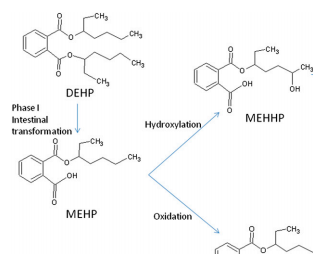
Because there are apparently not enough studies to convince the Food and Drug Administration that controversial chemical Bisphenol-A (BPA) should not be used in just about every form of food packaging, yet another study has been published linking BPA to childhood obesity. Meanwhile, a separate study released today showed a possible connection between a widely used plasticizer and diabetes. [More]
Mexico Replaces U.S. As The Most Obese Developed Nation In The World
By 7.9.13
Slap yourself on the back with a salad fork and take a break from those crunches you’re probably totally doing right now, Americans. A new report says we’ve been knocked from our position as No. 1 most obese developed nation in the world. That non-honor now goes to Mexico, according to the United Nations Food and Agricultural Organization. [More]
Coca-Cola Says It Will Stop Marketing To Kids
By 5.8.13
Being the nation’s largest soft-drink company, Coca-Cola has found itself the target of criticism from some lawmakers, regulators, public health advocates, and parents about sugary drinks’ contribution to America’s expanding waistline. Today, the company announced several goals intended to shake that stigma, including a promise to stop marketing directly to children. [More]
Tanning Salon Tells Woman She’s Too Fat To Bronze, Won’t Give Refund
By 4.22.13
No one can escape the laws of physics, but businesses should at least try to follow the rule of “don’t sell people things that you have no intention of providing.” An Ohio woman claims that a local tanning salon sold her a monthly package for $70, then told her that she wouldn’t be allowed to use most of the beds because she’s too fat. [More]
Gym Staff Member Bullies Couple For Being Fat, So They Want Out Of Their Contract
By 2.5.13
It’s hard enough some days to motivate oneself to get off the couch and head to the gym: what if you had to worry about being bullied and harassed by one of the staff personal trainers whenever you’re inside the facility? That’s what’s happening to Shayla and her husband. Now they want to be released from their contract, presumably so they can go to a different gym with fewer jerks on staff. [More]

