

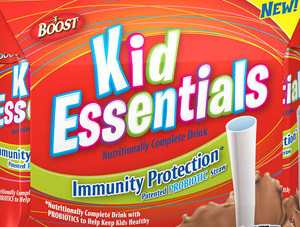
Nestlé is the latest company to slap some nutrients (or in this case probiotics) in a product, call it “functional food,” and market it to shoppers as a healthy and smart product. Last week, the FTC got the company to agree to stop claiming that its chocolate Boost Kid Essentials–which comes with a straw lined with probiotic bacteria (mmm delicious!)–will do things like protect them from diarrhea and improve school attendance rates. The FTC says the claims aren’t substantiated with adequate scientific research. [More]
nutrition

Hey You In The Kitchen: You're Doing It Wrong
By 7.13.10
Are you holding on to some old kitchen myths? If so, this website will shock and astound you as it slap chops the truth into your face. For example, baking soda in the fridge isn’t an efficient way to prevent odors, aluminum cookware doesn’t cause Alzheimer’s, and mayonnaise–at least the commercial brands made in the U.S.–will actually help prevent spoilage in dishes like chicken salad. [More]
PepsiCo Buys Its Way Onto Science Blog Network As A Food Nutrition Expert
By 7.7.10
Update #2: On Thursday morning, July 8th, ScienceBlogs contributor PZ Myers posted that the founder and CEO of Seed Media (which owns the blog network) has announced that the PepsiCo sponsored blog has been removed–although as of this update (10:44 am EST July 8th) it’s still online. [More]
Your Kids Think Food Tastes Better When It Has A Cartoon On The Box
By 6.21.10
Researchers from Yale University announced today that kids think food tastes better when its marketed with a cartoon. They asked 40 kids to try some gummy fruit snacks, graham crackers and baby carrots. [More]
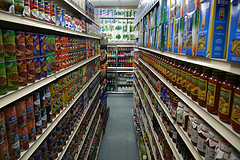
Can You Eat Healthy On The Bodega Diet?
By 5.9.10
It’s 4 a.m. in New York City. The bar is closed, you’re at the bodega, and you’re about to make a meal choice that you’ll regret in the morning. Or maybe not, says one woman who thinks we can ignore the siren’s call of the bacon-egg-and-cheese-on-a-roll and reach for something healthier at the corner store. [More]

What's The Best Smoothie?
By 4.27.10
Whatever smoothie I’m drinking at the moment, that’s my answer! Consumer Reports took a nerdier approach, as they often do, and gathered a bunch of people to taste test various store-bought smoothies, then combined those opinions with information from nutritionists. Coming out on top in the dairy category was Lifeway Lowfat Kefir Strawberry, and in the fruit category was Bolthouse Farms Berry Boost Blend. [More]

War Declared On Salt!
By 4.20.10
Are you tired of the high fructose corn syrup battles? Today the Institute of Medicine, part of the National Academy of Sciences, released a report that said Americans on average eat enough salt every second to kill a humpback whale kraken. I have not actually read the report, but it probably said something like that. It also said that public education campaigns have failed to reduce sodium intake, and voluntary self-regulation by the food industry hasn’t been effective. [More]
Are There 10.5 Quadrillion Ways To Customize A Whopper?
By 3.12.10
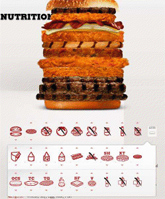
Dear Burger King, are there really 10.5 quadrillion ways to customize a whopper? Or just 221,184? A demanding customer played around with the Burger King nutritional information section and has a few questions, and he expects some answers. [More]
Why A Pint Of Ice Cream Is Never Labeled "1 Serving"
By 1.16.10
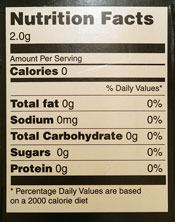
“Serving size: 1 serving,” a bag of frozen ravioli I bought recently read. A pasta Zen koan. It wasn’t a single-serve bag, so could they give me the serving size in ounces? Number of ravioli? Just how arbitrary is this “serving size,” anyway? Slate’s Explainer explains: more so than you’d think. [More]
Slim-Fast Thinks Its Shakes Are Worth About 29 Cents A Can
By 1.11.10
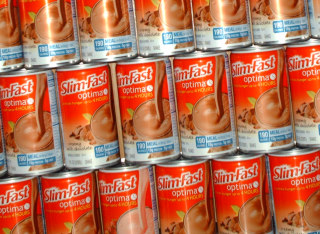
Daniel agreed to throw away 35 cans of Slim-Fast after the company announced a recall last month over fears of contamination. He called the number provided by Unilever and provided his address, and then waited for the full refund they promised. What he got was a check for $10.20. [More]

NYC Anti-Soda Commercial Shows Man Drinking Tall Glass Of Fat
By 12.15.09
No. You do not want to watch this video. Just promise the New York City Department of Health people that you won’t drink sugary soda so much. Then we’ll all be healthier, happier people, and nobody has to watch this video. (Video is embedded below.) [More]

Meet Burgerville's Awesome New Nutritional Info Receipt
By 10.15.09
We love the idea of Northwestern chain Burgerville’s new receipts that feature nutritional information—not just calorie counts, but also the amount of fiber, fat, and carbohydrates in each item of your order, as well as the order as a whole. Now, here’s one of the receipts as spotted out in the wild.

Cut Back On Sugar, Says American Heart Association
By 8.25.09
The American Heart Association says we’re eating way too much extra sugar, meaning sugar that doesn’t naturally occur in our foods. The average American consumes 22 teaspoons a day. By contrast, the average woman should eat no more than 6 teaspoons daily, while the average man, owing most likely to his increased awesomeness, should eat no more than 9 teaspoons a day. [Eats another teaspoon of sugar before resuming typing.]
Burgerville Chain Adds Calorie Counts To Receipts
By 8.22.09
We’ve heard about fast food restaurants posting calorie counts on menus, but a small regional chain in the Northwest is experimenting with putting nutritional information on receipts.
By 8.4.09
../../../..//2009/08/04/hey-kids-get-up-off/
Hey, kids! Get up off the couch, go outside, and maybe drink a glass of milk once in a while. A study published in the scientific journal Pediatrics shows that 70% of children studied had “insufficient” Vitamin D levels, or an outright deficiency. [Consumer Reports Health] [Pediatrics]
Subway Worker Wonders Why You Would Eat Their "Disgusting" Food
By 7.26.09
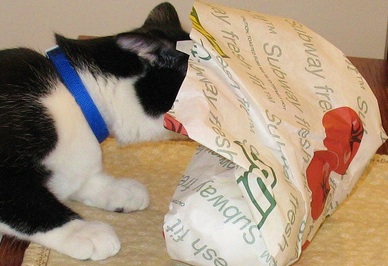
John visited his local Rhode Island Subway every weekday for the past two months to enjoy what he thought was a healthy lunch. That all came to end after he overheard a Subway worker say to her colleague: “I don’t know how anybody could eat this stuff everyday. It’s disgusting and it will make you fat.”
Scientists Agree: Denny's Is Dangerous
By 7.25.09
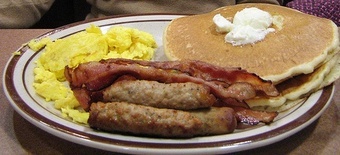
Denny’s entrees are loaded with dangerous amounts of salt, according to a class action suit filed by the Center for Science in the Public Interest. The CDC recommends consuming no more than 1,500 milligrams of sodium each day, but some Denny’s entrees contain a whopping 5,500 milligrams.

By 7.22.09
../../../..//2009/07/22/here-are-10-kids-food/
Here are 10 kids’ food items that are not very healthy, including Goldfish Crackers, Fruit By The Foot, and Sunny Delight. [Time]

