

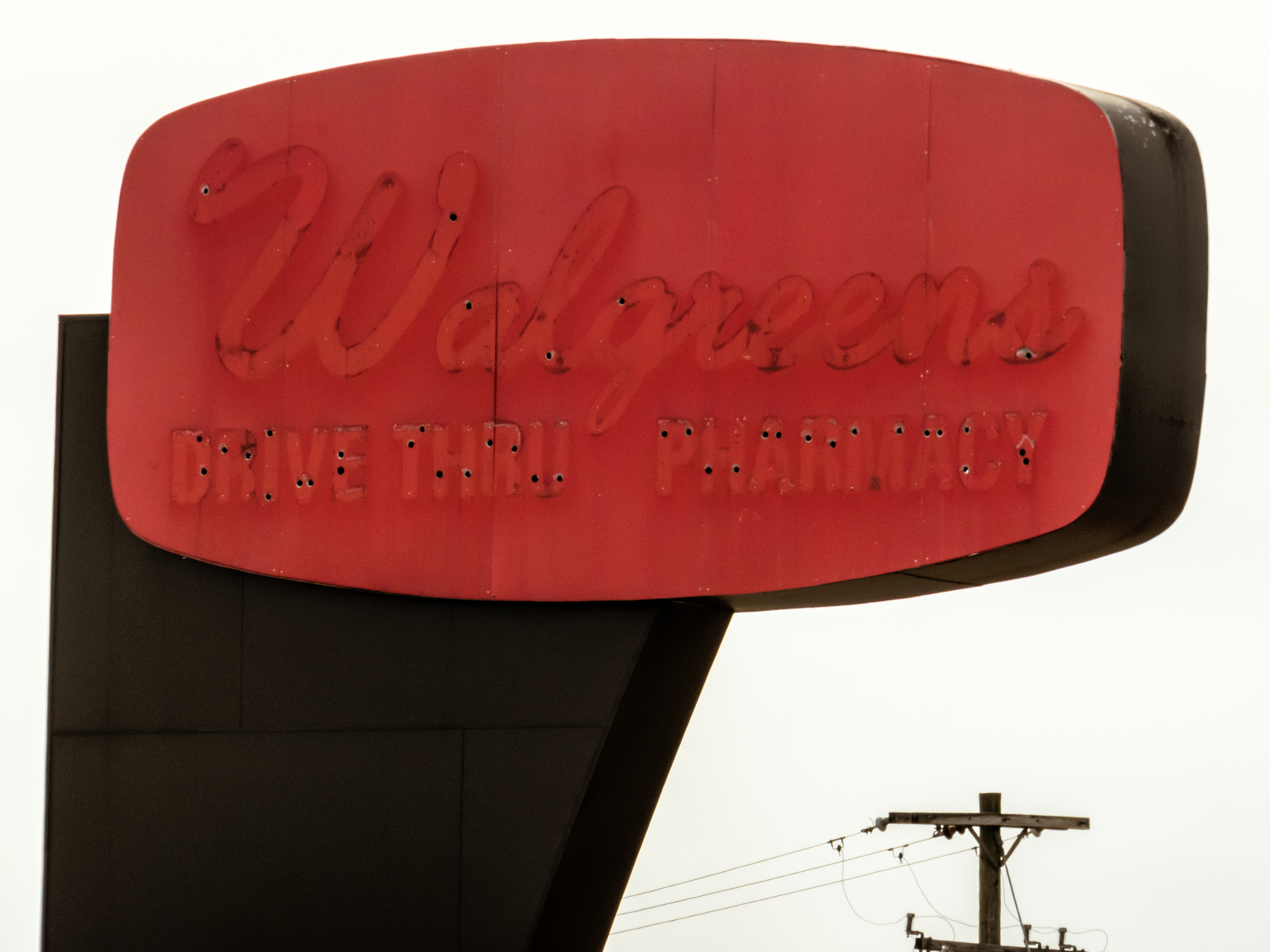
Last Friday, Jan. 27, was the deadline for the deal to close in the proposed acquisition of drugstore chain Rite Aid by competitor Walgreens. Today, the companies announced a revised deal with an eye to meeting Federal Trade Commission approval. This deal values Rite Aid at over $2 billion less, and proposes the sale of hundreds more stores to another drugstore chain. [More]
ftc

5 Things We’ve Learned About How Companies Track You Online And Off
By 1.25.17
Is there an ad that seems to be following you everywhere? Perhaps you browsed for new sneakers in a slow moment at work a week ago, and now you see ads for them on every site you view on your phone? Or maybe you clicked an ad on Facebook, and now that company’s product seems to be stalking you around the internet, asking you to buy it in every sidebar ad you see. [More]
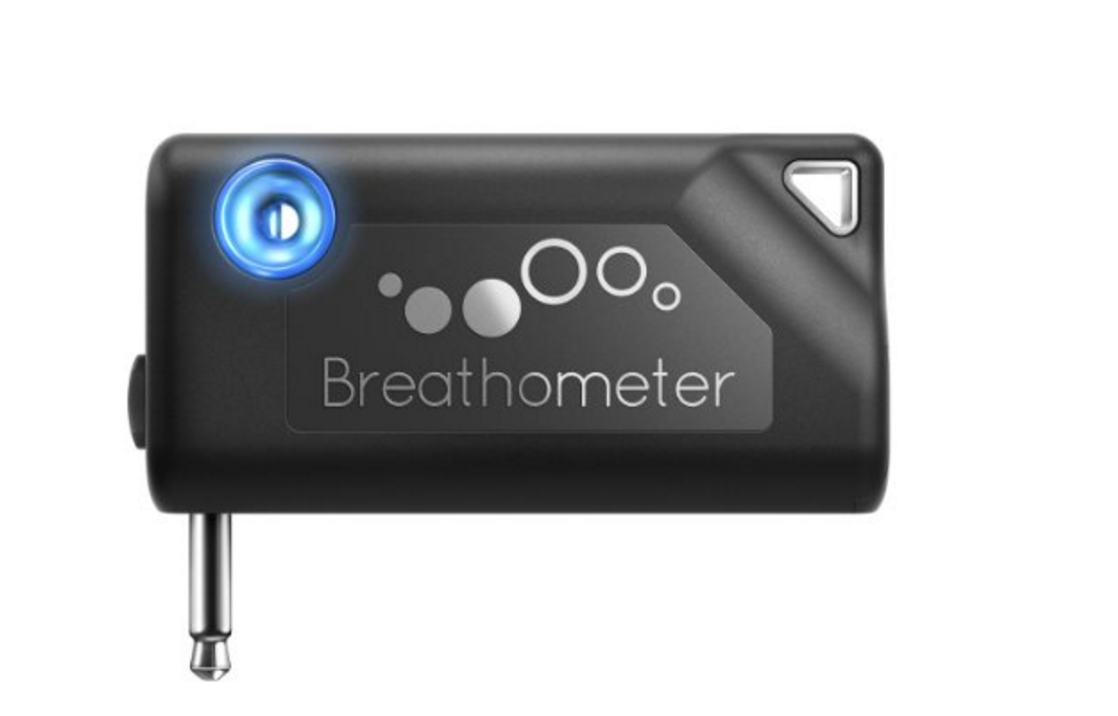
Feds: No Proof That ‘Breathometer’ Blood Alcohol Content Test Actually Works
By 1.23.17
The Breathometer promised to be a pocket-sized law-enforcement-grade device that could be used to accurately measure blood alcohol levels to determine if the user is sober enough to drive. It’s a good enough idea that it won over the panel on Shark Tank, but according to federal regulators, the only thing you can definitely say about this device is that it does fit in your pocket. [More]

Uber Ordered To Pay $20 Million For Allegedly Exaggerating Drivers’ Potential Earnings
By 1.19.17
Popular ride-hailing service Uber has agreed to pay $20 million to close the book on federal charges that it used misleading and exaggerated earnings figures to attract new drivers to work with the company. [More]
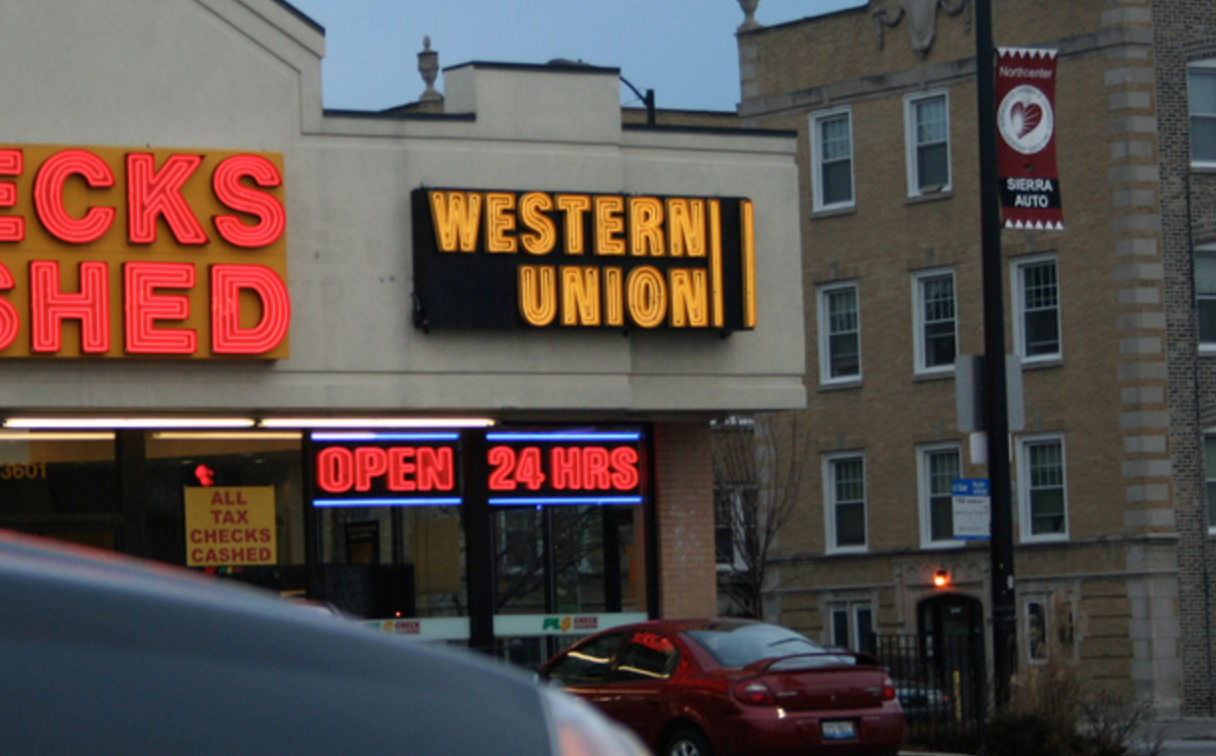
Western Union Will Pay $585 Million For Not Doing Enough To Stop Wire Fraud
By 1.19.17
Whether it’s the “distant relative stranded in a foreign country” scam or the “you’ve won the lottery but you have to pay us scam” or any other variation on this remotely operated ruse, wire transfer services like Western Union are often the conduit for getting that money from the victim to the scammer. After years of being accused of not doing enough to clamp down on fraud by its customers, Western Union has agreed to pay $585 million to federal authorities and admit that its policies — and some of its agents — aided and abetted wire fraud. [More]

You Don’t Care About Your Friends’ Data, And 4 Other Things We Learned From Privacy Experts
By 1.17.17
The things we buy and use every day are increasingly connected — to the internet, and to each other — and while this new level of interconnection provides a slew of benefits, it also raises a new set of privacy problems and security challenges. Yet, as we recently learned, consumers are often self-centered when it comes to protecting their data and don’t give much thought to making their friends’ info available. [More]
Feds Shut Down Two Massive Illegal Robocall Operations
By 1.13.17 — Updated: 1.14.17
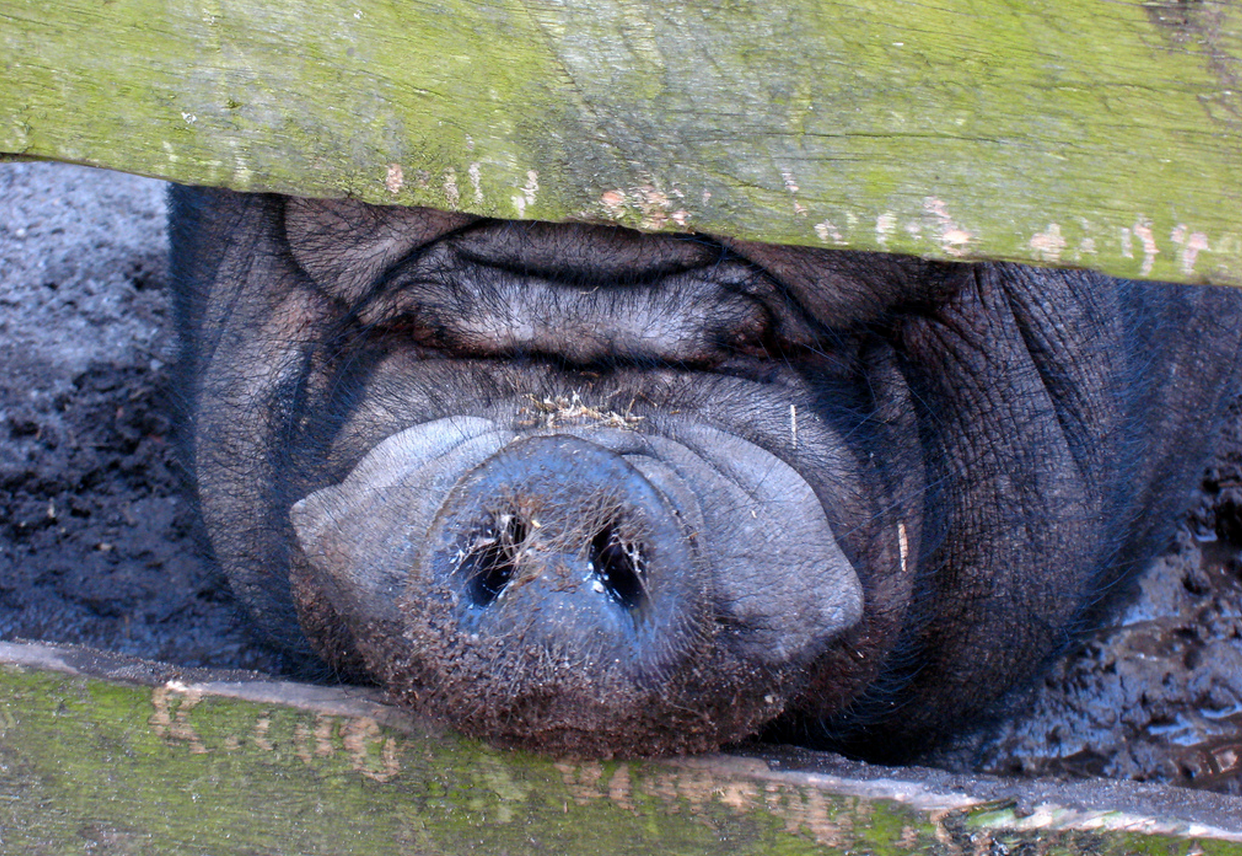
Fighting robocalls might seem as pointless as chasing a greased pig, but occasionally you’re able to get your slick mitts on a slippery swine and hold on, if only for a moment. Today, the Federal Trade Commission managed to nab a pair of particularly large robocalling pigs, who have allegedly been violating the Do Not Call Registry for at least five years. [More]
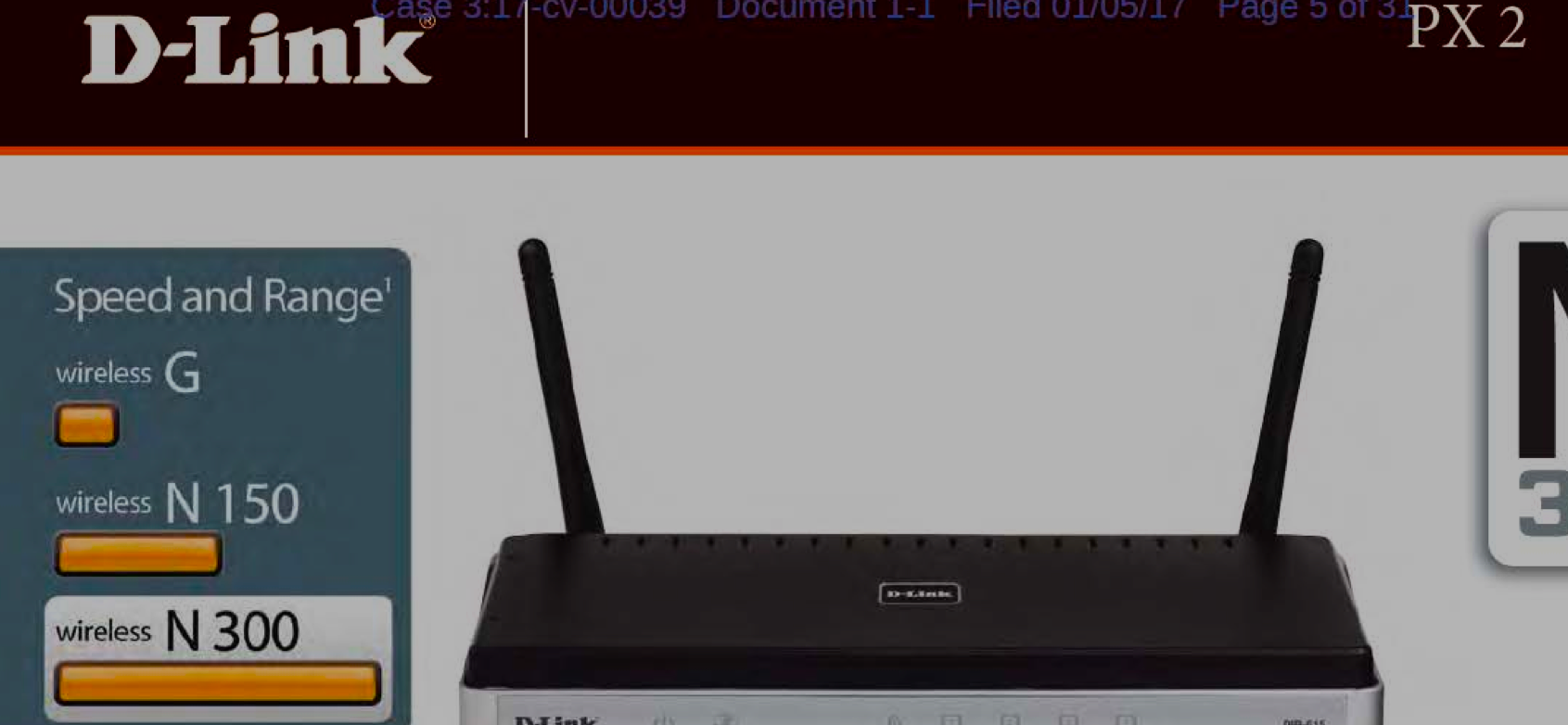
Feds Accuse D-Link Of Failing To Properly Secure Routers & Webcams
By 1.5.17
Federal regulators have accused D-Link, a manufacturer of popular networking and smart-home products, of leaving its routers and webcam devices vulnerable to hackers. [More]

Got An Idea On How To Make ‘Internet Of Things’ More Secure? You Could Win $25,000
By 1.5.17
Internet-connected (“smart”) devices are becoming ubiquitous, but they have this persistent problem: they’re internet-connected. A huge number are extremely vulnerable to being taken over by bad actors, for a whole host of reasons. And so, before your fridge becomes part of the next record-breaking botnet, the Federal Trade Commission wants to give someone cold, hard, cash money for coming up with a way to prevent it. [More]
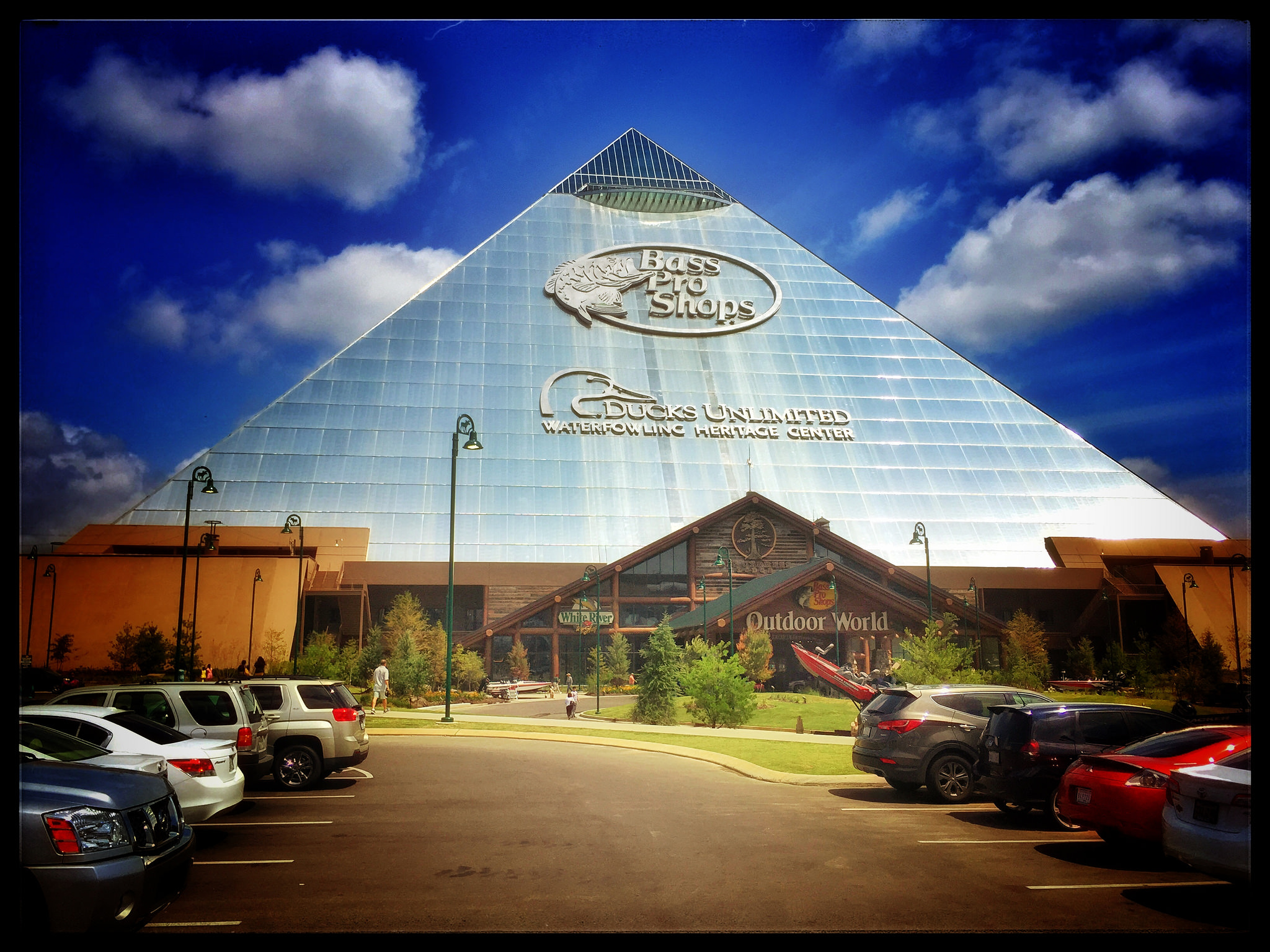
The FTC Has Some Questions About The Bass Pro Shops-Cabela’s Merger
By 12.30.16
Earlier this year, Bass Pro Shops offered to buy up one of its biggest competitors, Cabela’s, for $5.5 billion. The Federal Trade Commission is reviewing the deal now, and is raising concerns that this might be too much consolidation in the hunting and fishing market. [More]

No, The FTC Did Not Email You That You’re Under Investigation
By 12.28.16
If the Federal Trade Commission is investigating you or your business, they will not send you an email asking you to click on a link for more information. How do we know that? The Federal Trade Commission says so. [More]

FTC Orders Company That Used Verizon ‘Supercookies’ To Disclose Terms, Provide Opt-Out
By 12.20.16
A couple of years ago, Verizon caught a lot of heat for a very sneaky practice: the company was inserting a unique, permanent piece of code into all the web traffic on your phone, without user consent, so that a third party could track your every digital move for advertising purposes. After a public outcry, Verizon finally stopped, and settled with the FTC… but that third-party remained a loose thread in the story. Until now. [More]
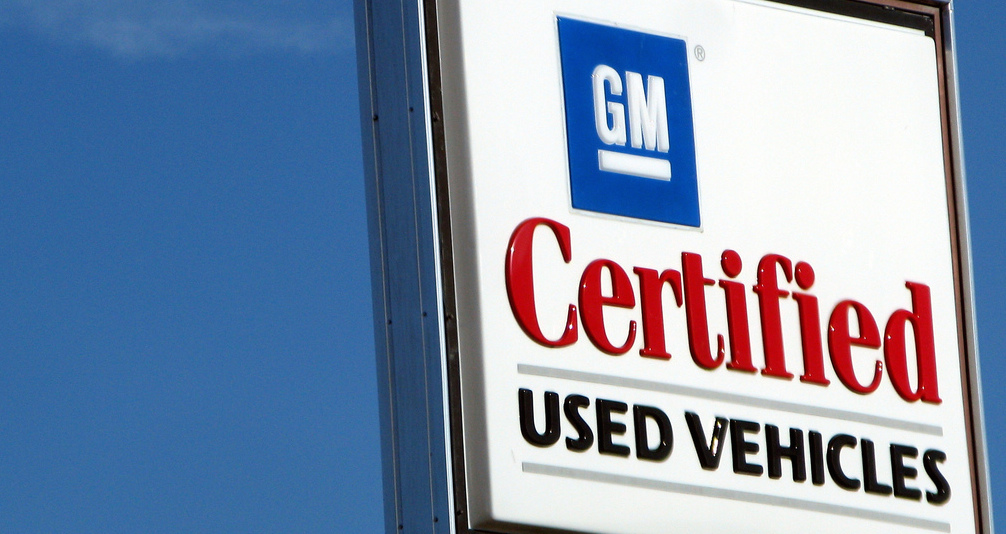
Settlements Allow Auto Dealers To Continue Selling Unrepaired Recalled Vehicles As “Safe”
By 12.16.16
If you bought a used car from a dealership that proudly claims to put each vehicle through “125-point” or “172-point” inspections, you might assume that your vehicle is safe to drive and that it isn’t under recall for a potentially deadly defect. However, a number of big names in used cars — including CarMax and General Motors — have recently entered into settlements with federal regulators that could allow used car dealers to continue marketing their vehicles as safe even while they may have unrepaired defects. [More]

FTC Settlement Permanently Halts Alleged Energy Drink-Slinging Pyramid Scheme
By 12.15.16
A year ago, a court agreed to put a temporary halt to an alleged pyramid scheme that made its money by convincing college students they could make big bucks shilling energy drinks — but only paying up for recruiting more sales friends instead. Today, the FTC has announced a settlement with the Vemma Nutrition Company that puts a halt to those practices for good. [More]
DeVry University Must Pay $100 Million To Former Students For Misleading Ads
By 12.15.16
At the beginning of the year, the Federal Trade Commission sued popular for-profit college DeVry University, claiming the school’s advertising misled would-be students about how likely a DeVry degree is to get them a job. And now to ring out the year, the school and the Commission have reached a $100 million settlement that sends all that money right back into students’ pockets. [More]

Ashley Madison’s Penalty For Exposing Details On 36 Million Users? About $.04 Per Person
By 12.14.16
In 2015, a major data breach at AshleyMadison.com — the dating site targeted at cheaters — exposed information for some 36 million accounts. The company has now entered into a deal that settles federal and state charges that Ashley Madison: misled users about data security and failed to protect user information; charged users to delete profiles (but didn’t); and used fake profiles to lure in customers. While the settlement has a price tag of $8.75 million, Ashley Madison will actually pay significantly less than that. [More]
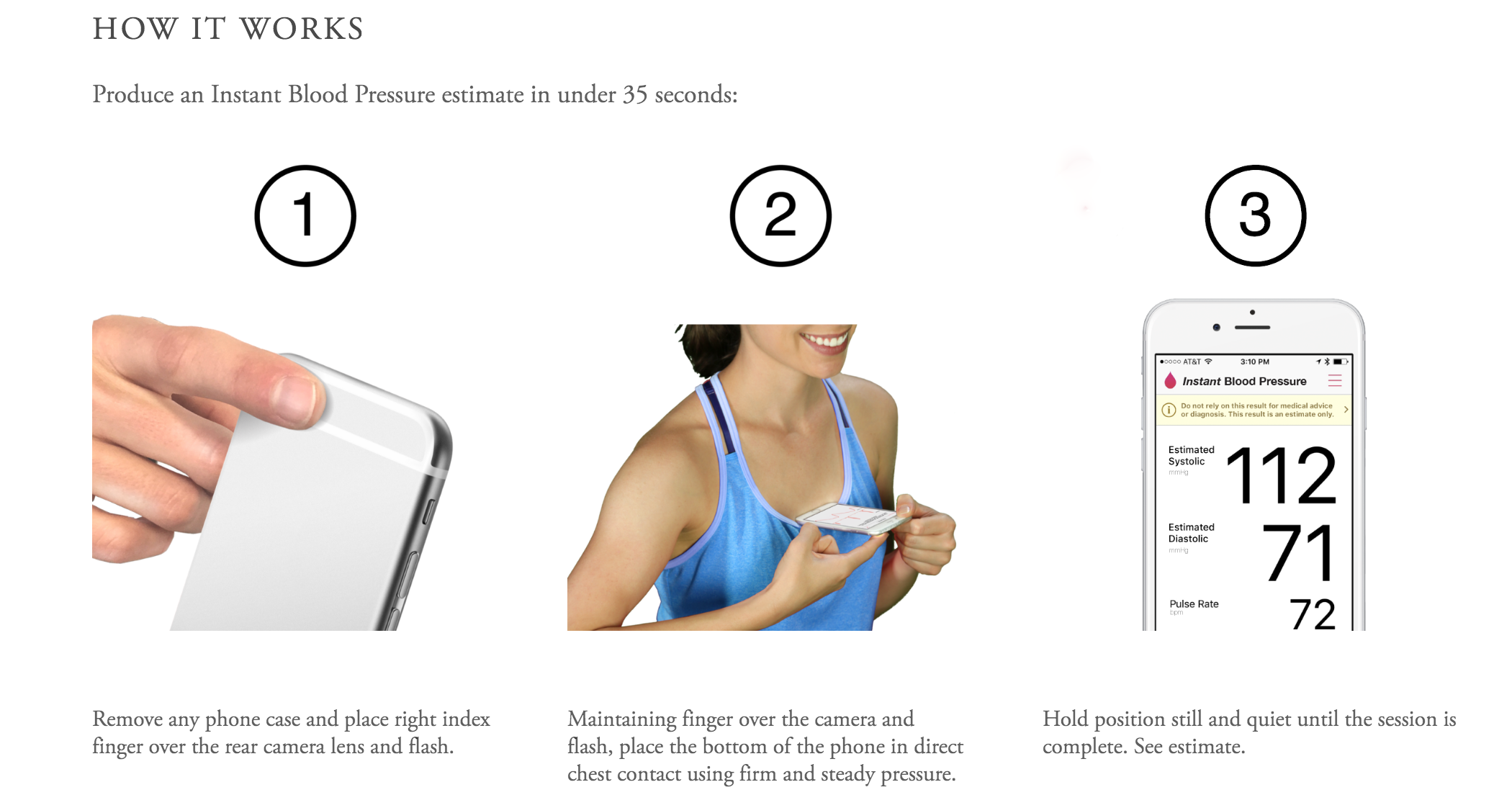
Pressing Your Phone Camera Against Your Finger Will Not Measure Your Blood Pressure
By 12.12.16
The tiny sensors in our smartphones can do amazing things, but what they cannot do is substitute for a blood pressure cuff. That’s unfortunate, because having your blood pressure measured can be painful and unpleasant. However, one app-maker ran afoul of federal regulators by claiming that your smartphone camera could be used to accurately check your vitals. [More]

Don’t Fall For The ‘Missed Delivery Notice’ Email Scam This Holiday Season
By 12.9.16
If you’re like everyone else you know, you’ve probably been doing — or plan to do — a bit of online holiday shopping this year. Missing a delivery could put a serious kink in your day, but don’t let that fear draw you into a scammer’s net. [More]

