

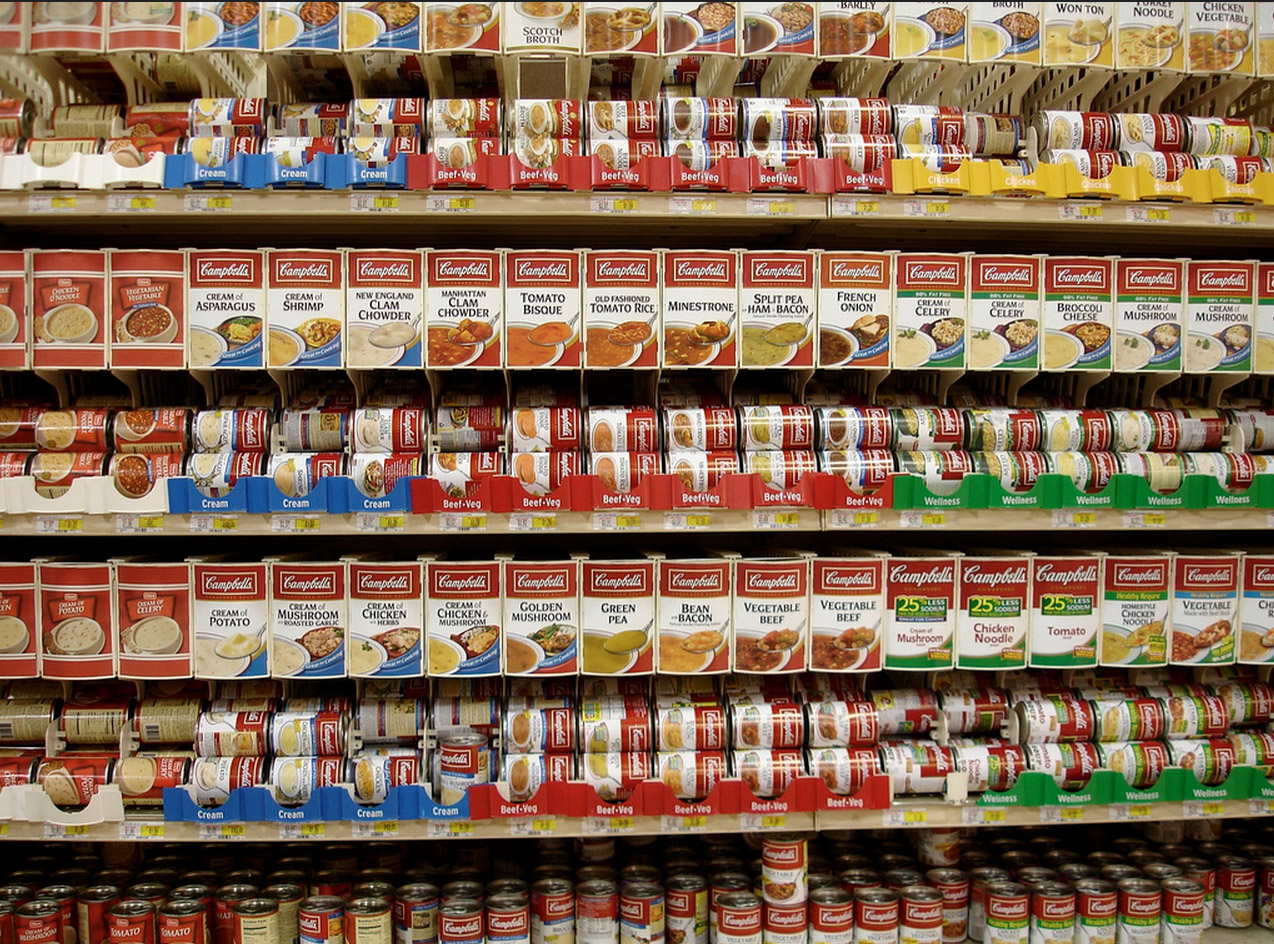
Bisphenol-A, commonly referred to as “BPA,” is a chemical that’s a common component of plastics, existing in everything from the thermal paper receipts are printed on to the linings of metal cans. Four years ago, the Campbell Soup Company, a major seller of things in cans, promised to remove the controversial subtance from its product packaging, and announced that it will phase the substance out by the middle of next year. [More]
bpa
8 Things Companies Have Said That Sounded Like April Fool’s Jokes But Sadly Weren’t
By 4.1.14
For the calendar-challenged, we’ll point out that today is April 1, meaning the Internet is full of phony products, fake stories, doctored photos… so, you know, it’s like most days on the Internet. Rather than serve up a “United Charges Upgrade Fee For Merely Being Jealous Of First-Class Passengers” headline, or a post about Comcast CEO Brian Roberts giving up his job to play Gretl Von Trapp in a regional theater production of The Sound of Music, we’re looking back at some stories that would have been appropriate for April Fool’s. [More]
Studies Link Plastic Food Packaging To Diabetes, Obesity Risks In Kids
By 8.19.13
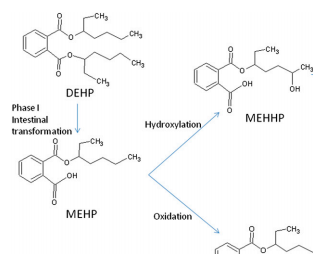
Because there are apparently not enough studies to convince the Food and Drug Administration that controversial chemical Bisphenol-A (BPA) should not be used in just about every form of food packaging, yet another study has been published linking BPA to childhood obesity. Meanwhile, a separate study released today showed a possible connection between a widely used plasticizer and diabetes. [More]
FDA Bans BPA From Infant Formula Packaging (Because Manufacturers Have Already Stopped Using It)
By 7.11.13 — Updated: 4.1.14
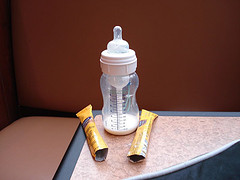
Fresh off patting itself on the back for only approving two new cigarette products (because they’re basically the same as the cigarettes already on the market), the Food and Drug Administration is continuing to show its willingness to take a timid stance on a controversial topic, by banning the use of the chemical bisphenol-A (BPA) in the packaging of infant formula… because packagers have all stopped using it anyway. [More]
Study Links BPA In Food Packaging To Higher Rates Of Obesity In Girls
By 6.13.13
There are already so many things for parents to worry about when it comes to helping kids grow up healthy. And apparently, in addition to fast food and couch potato syndrome, there could be another factor contributing to the obesity epidemic in America and abroad. A new study says girls between ages 9 and 12 with high BPA (Bisphenol-A) levels had double the risk of being obese than girls with low levels of the chemical. [More]
Congress To Once Again Consider Legislation That Would Ban BPA From Food Packaging
By 6.4.13
Bisphenol-A (better known as BPA) is a chemical used in all manner of food packaging, in spite of numerous studies linking BPA to everything from increased risks of certain cancers to diabetes, reproductive abnormalities, heart disease, and maybe even childhood obesity. Since the FDA has decided there still wasn’t enough science to ban BPA from food packaging (though it later hedged on this ruling and banned BPA from baby bottles), lawmakers in Congress are having another go at a legislative effort to limit the use of BPA. [More]

As If We Need Another Reason To Hate BPAs, Study Links Them To Higher Childhood Obesity Rates
By 9.18.12
Chemical bisphenol-A, otherwise known as widely-reviled and controversial BPA, now has another bit of mud to wipe off its face. A new study in the Journal of the American Medical Association has linked it to higher levels of obesity in kids who have more of it coursing through their bodies. While the research doesn’t conclusively say that BPA actually causes obesity, it does add to a growing heap of evidence that the stuff isn’t good for us. [More]
FDA Finally Decides That BPA Doesn’t Belong In Baby Bottles
By 7.17.12
Nearly four months after deciding not to listen to science or common sense and ban the use of controversial chemical bisphenol-A (you may call it BPA around your household) in food packaging, the Food and Drug Administration has decided that we should at least keep BPA out of the mouths of babies. [More]
FDA Decides Against Banning BPA In Food & Beverage Containers
By 3.30.12
Bisphenol A — better known as “BPA” — is a chemical used in the epoxy resin linings of a lot of food and beverage containers. Studies have linked BPA to everything from increased risks of certain cancers to diabetes, reproductive abnormalities, and heart disease. But the Food and Drug Administration says there is not enough evidence yet to ban its use in food packaging. [More]

Report: Some Canned Foods Have High Levels Of Suspected Carcinogen
By 11.23.11
According to anecdotal testing, countless diners will sit down tomorrow to a plate of turkey with a side of cancer risk. Research from the Breast Cancer Institute found that several common canned foods served on Thanksgiving have significant levels of BPA, a chemical connected to breast cancer. [More]

The BPA! It's On Your Receipts! Get It Off Aaaa!
By 8.2.10
The Environmental Working Group has a theory to explain why bisphenol-A, the controversial chemical that’s sometimes found in plastic bottles and can linings, shows up in the urine of over 90% of the population: it’s on paper receipts. The group found BPA on 40% of receipts collected from the sorts of businesses you visit every week, with the concentration topping 1000 times that of a can lining in some cases. [More]
Oregon Lawmakers Cool With BPA In Baby Bottles
By 3.1.10
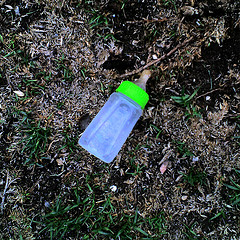
Most people seem to agree that baby bottles that include the chemical BPA are probably less than awesome to use to feed your baby. States and municipalities have banned BPA, but the beleaguered chemical has finally found some allies in the Oregon state legislature, which voted down a bill that sought to ban it, the Oregonian reports: [More]
SIGG CEO Contacts Customer, Restores Faith In Bottle Exchange
By 12.31.09
A few months ago, SIGG USA announced that the plastic liners of their metal water bottles actually contain the dread plastic additive bisphenol-A (BPA.) Since avoiding BPA is the reason for the popularity of metal water bottles in the first place, SIGG offered to exchange the thousands of the offending bottles for shiny new ones. Many Consumerist readers have written in to share their tales of mixups, confusion, and mysterious $50,000 gift certificates in dealing with the replacement program, but Matt actually had a pleasant experience, and he shared it with Consumerist. [More]

BPA Linked To Erectile Dysfunction
By 11.11.09
Here’s some bad news for people who like functional erections, Health.com says that a new study has linked erectile dysfunction to the controversial chemical BPA.
SIGG, Where Are My Replacement Water Bottles?
By 10.11.09
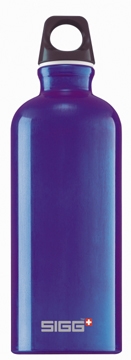
Back in August, SIGG USA announced that metal, plastic-lined water bottles it had sold as “BPA-free” did, in fact, have plastic liners containing BPA. While the company insisted that the chemical didn’t leach into water. Reader Cassi owned eight bottles, and decided to participate in Sigg’s exchange program. Too bad the “exchange” part of the transaction isn’t going very smoothly.
SIGG Will Replace BPA-Containing Bottles For Free
By 8.26.09
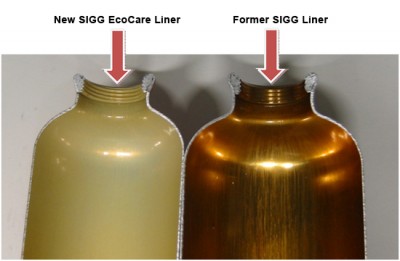
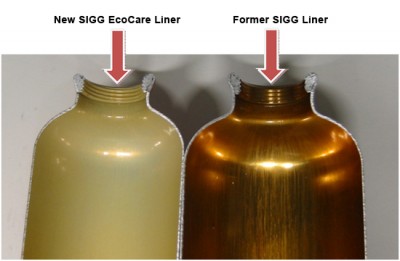
Last week, Swiss company SIGG splashed a bunch of ice water in the faces of consumers who go out of their way to avoid products containing bisphenol-A (BPA). The company announced that the linings formerly used in their aluminum bottles did, in fact, contain the controversial substance.
Water Bottles Marketed To BPA-Fearing Parents Contained BPA All Along
By 8.23.09
I may as well attach my Nalgene bottles to myself with steel cables, but it seems like everyone is switching over to metal bottles because of the public’s new-found fear of plastic additive bisphenol-A (BPA.) One of the major manufacturers of aluminum bottles, Sigg, recently admitted that the plastic liners of their metal bottles kind of, um, contained BPA. Cue uproar.
Consumer Advocate/Plastics Industry Showdown In California
By 6.30.09
Ten years ago, Consumers Union (publisher of Consumer Reports and owner of Consumerist) warned us all about the potential danger from bisphenol A (BPA) leeching from plastic containers into our food. It’s only in recent years that municipalities got around to banning the chemical—at least in containers designed for use by infants and small children.

