


As CBS prepares to put bona fide original content — like the upcoming online-only version of Big Brother and next year’s new Star Trek: Discovery series — on its $6/month All Access streaming service, the network realizes that hey, maybe people will pay a bit more to avoid having to watch all those flippin’ commercials. [More]
big brother
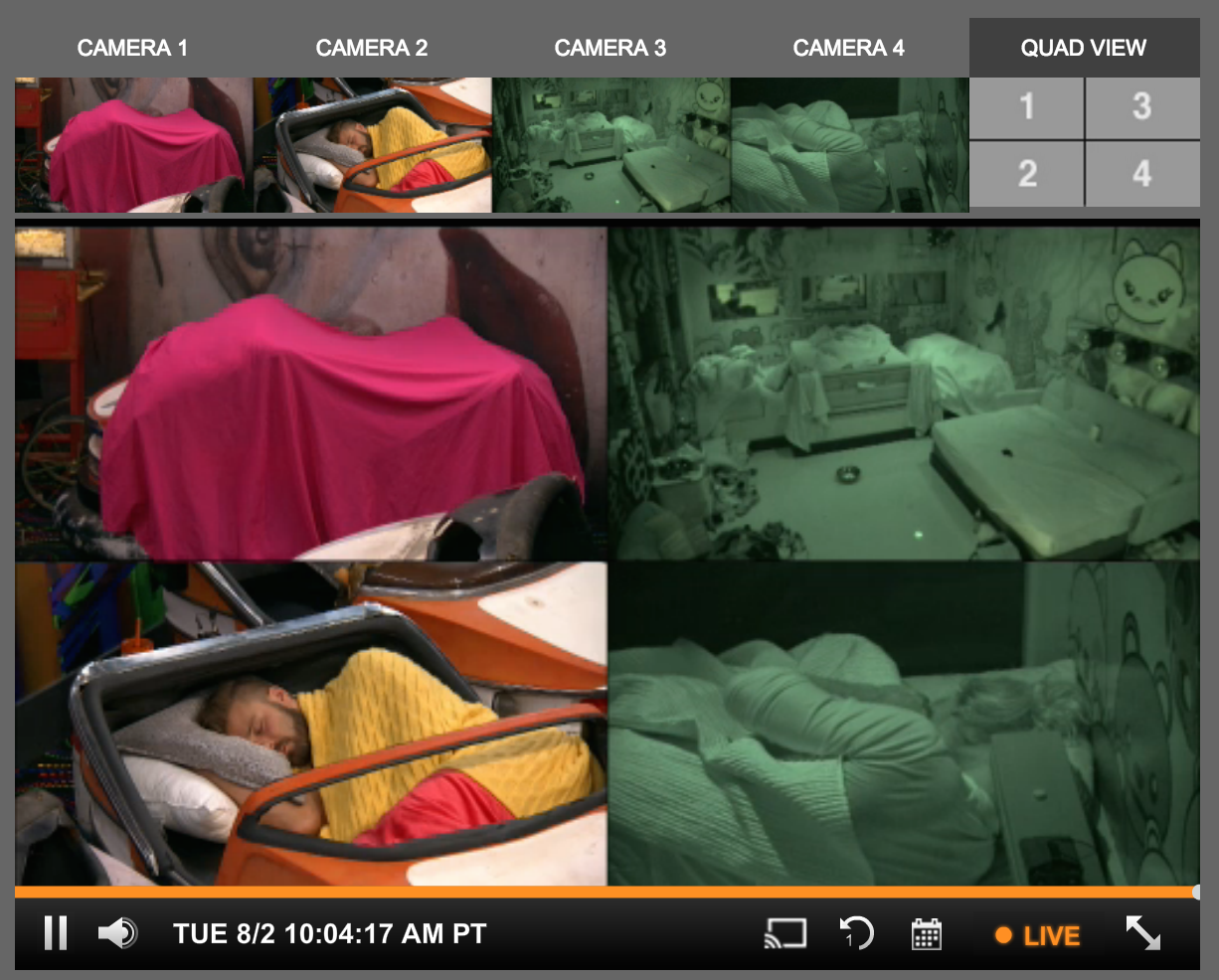
The Next Season Of Big Brother Will Be Online-Only
By 8.2.16
Since it debuted more than 15 years ago, CBS’s Big Brother has sold online access to the live feeds directly from the BB “house.” Now the network is going all in for the next season of the long-running reality competition, making it an online exclusive. [More]
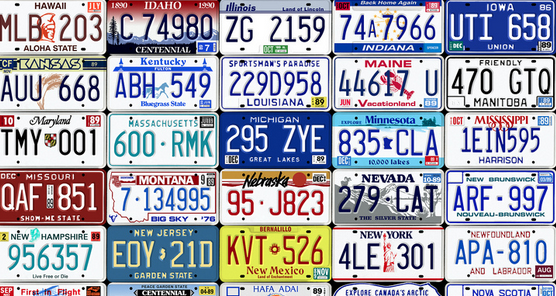
Privacy Advocates Sue Virginia Police Over Data From Automatic License Plate Scanners
By 5.6.15
By itself, your license plate doesn’t say much except in what state, month, and year you registered your car. But start tracking where and when that license plate goes, and you’ve suddenly got a whole huge pile of personal data about all the comings and goings in someone’s life. We’ve reported before that license plate scanning by public and private entities is both widespread and unregulated. Now, the ACLU is suing police in one state to get them to stop. [More]
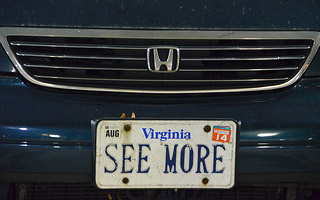
Private Companies Are Scanning Your License Plate And Location, Selling The Data
By 3.5.14
When you hear the phrase “vast hidden network of cameras that scan license plates,” what do you think of? The police? The Department of Homeland Security? While the government and privacy advocates argue over government use of plate-scanning data, private companies are already collecting and selling that data with little regulation. [More]
Billboards That Scan Your Features And Figure Out Your Age And Gender Are Not At All Creepy
By 11.5.13
Shoppers at discount store Tesco in the U.K. might get the unnerving feeling that someone is watching them. Something is. The chain is using sophisticated software to identify customers and beam ads at them. No, not by name: by demographic. [More]
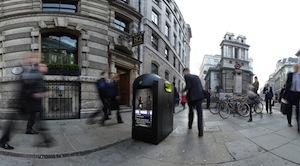
London Asks Company To Stop Monitoring Foot Traffic By Tracking Smartphones Of Passers-By
By 8.12.13
You know that tingly feeling you get at the nape of your neck when it feels like someone’s watching you? Londoners might be getting that titchy touch of spy vibes just from walking past recycling bins in the city. Officials have told a company it has to stop using those bins to track the smartphones of people strolling by, because [insert whole lot of privacy concerns right here]. [More]

Sales Of Orwell’s Dystopian ‘1984’ Have Spiked With News Of NSA Surveillance
By 6.12.13
There’s a hot book on the scene — have you heard about it? It’s this wacky vision of a dystopian future where the government is always listening. And oh yeah, it’s George Orwell’s 1984, which was published 64 years ago. Sales of the futuristic cautionary tale to society have been hopping in the wake of the National Security Agency surveillance scandal, with one edition jumping from No. 73797 to No. 125 on the Amazon.com best-seller list. [More]
Google Reaching Its Grabby Arms Out To Combine More Of Your Personal information
By 1.25.12
Google wants to change things up a bit and grant itself the right to combine your personal information across its products. So how is it planning on doing that? By simply rewriting its privacy policy to let you know about it first, which they figure you’ll agree to if you want to keep using Google stuff. [More]

Author Crafts Modest Proposal For Police Officers To Consider
By 10.27.11
Law enforcement officers put themselves at great risk, perform a vital public service and give society the peace of mind to be able to function with confidence. Even so, it has been said that some cops have been known to do things that could be classified as annoying or abusive. [More]
Big Brother Is Watching You — And He Has Ice Cream!
By 6.21.10
If you happen to be going to Cannes this summer (and, really, if you aren’t, you should be) mega-conglomerate Unilever is ready to tempt you with a treat straight out of Minority Report. The company has set up a vending machine that lets anyone who walks by score some free ice cream. The price? Just smile for the machine’s facial recognition software, which will determine your age, gender and emotion. Only the most happy will get ice cream. The rest? We don’t really know, but we seem to remember something having to do with stolen eyeballs that can be used to trick such systems. [More]
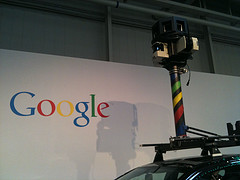
Google Street View Cars Accidentally Collected Web Site Info
By 5.15.10
Woopsies! Looks like Google’s super neat Street View cars have been going about collecting the wrong kind of information – namely, data about what Web sites people were using via open wireless Internet networks, CNN reports, [More]
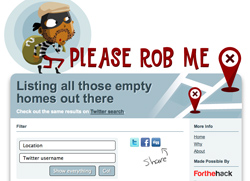
PleaseRobMe.com Lets The World Know No One's Home
By 2.17.10
The history of online social networking is rife with faux pas. From celebrities trolling hookup sites to people being fired for thinking they could blab about their boss on Facebook with impunity, there are countless tales of Internet lessons learned the hard way. And an ingenious — and some say dangerous — new site is out to demonstrate just how easy it is to find out when you’re away from your home so people can steal your stuff. [More]

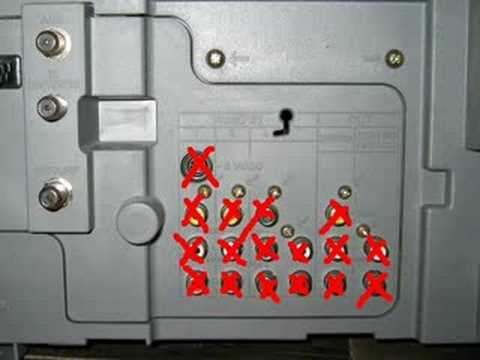
MPAA Asks FCC For Control Of Your TV's Analog Outputs
By 11.9.09
The Motion Picture Association of American wants to rent movies to TV viewers earlier in the release window, but they don’t want anyone potentially streaming that video out to other appliances. That’s why last week they went back to the FCC to once again ask for the power to disable analog ports on consumer television sets.

Google Invites Privacy-Concerned Users To Move To Remote Village
By 8.12.09
The Onion reports that Google’s new privacy policy requires users who wish to opt out to relocate to a remote ghetto and abandon all contact with the outside world. (Photo: kalle svensson)
Jobs Confirms iPhone 'Kill Switch'
By 8.11.08
Last week, a developer discovered that the iPhone has the capability to quietly connect to Apple’s servers to check an application blacklist, and then disable any installed apps that are on the list. The story was quickly defused by blogs, but today the Wall Street Journal says Steve Jobs has confirmed that there really is an application “kill switch.”

Want To Spy On Comcast Subscribers? Comcast Has The Job For You!
By 6.4.08
If you’d like to help Comcast eavesdrop on its own subscribers, you’re in luck: Comcast has posted a job listing for an “intercept engineer” on a headhunter site, according to Wired. Want ad for position of The Man, inside.
By 10.16.07
../..//2007/10/16/verizon-may-have-admitted/
Verizon may have admitted it gives out customer info without warrants, but AT&T and Qwest both refused to give Congress any information on their participation in the government’s wire-tapping activities, saying they needed permission from Bush administration first. [Reuters]

